
 By Breaking Editor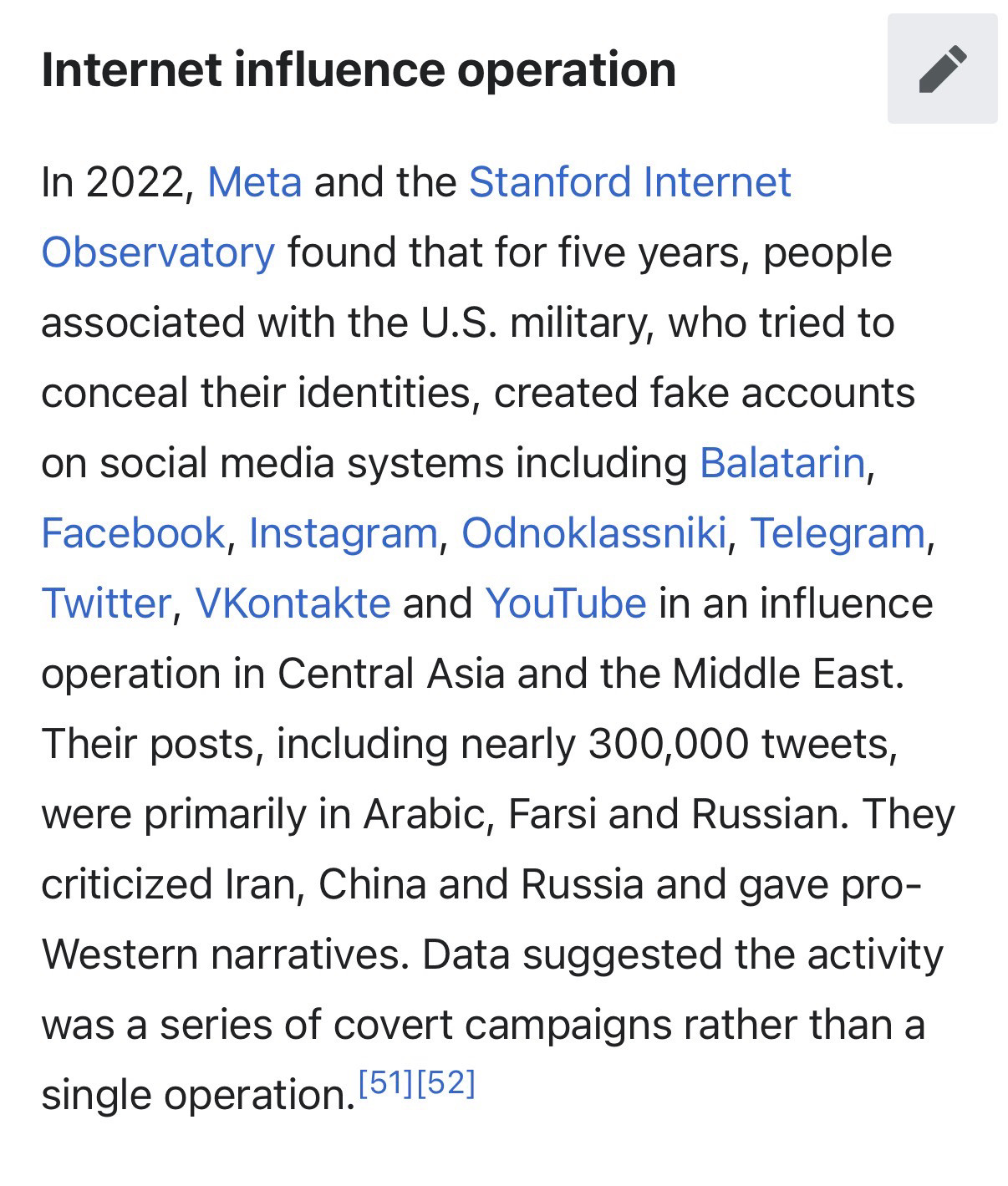
The latest tranche of DOJ evidence connected to Jeffrey Epstein is resurfacing an uncomfortable but increasingly familiar pattern: the same circles of influence—finance, political strategy, surveillance tech, and “dirty tricks” media ecosystems—keep overlapping. It’s less a single conspiracy than a Gotham-esque network where crime, power, and elite legitimacy blur into each other. This time, the renewed scrutiny has pulled Cambridge Analytica back into the frame.
Observers have pointed to the long-running relationship between data analytics and political strategy, especially in the way modern elections are shaped by behavioral targeting, misinformation, and engineered outrage. Since Elon Musk’s acquisition of X, the broader right-wing online ecosystem—Reddit, 4Chan, and related hubs—has continued to expand its influence on white American political imagination and social life, reinforcing the same pipelines that helped normalize disinformation as a political weapon.
Social media posts have drawn parallels between the controversial data-mining strategies used by Cambridge Analytica during the Brexit campaign and the ongoing work of analytics and defense-adjacent firms like Palantir. Critics argue that these tools enable coordinated influence operations: not only amplifying misinformation, but shaping narratives in ways that serve wealthy political benefactors. One user, @relevantusername, described Palantir as a conduit for disinformation, tying it to the same ecosystem that once connected Facebook and Cambridge Analytica.
There are also renewed questions about personal and political connections between Cambridge Analytica’s founders, Epstein, and influential political figures. Recently surfaced documents suggest deeper political ties and a pattern of questionable conduct among major players in the political data space—raising concerns that these networks have been operating with far less scrutiny than their impact warrants.
Even the People’s Vote campaign has come under renewed scrutiny. Some observers, including @flyingrodent, argue it functioned less as a democratic pressure campaign and more as part of a broader agenda to destabilize Labour and disrupt traditional party dynamics. The result has been growing calls for a serious investigation into political movements and influence operations over the past two decades, particularly where foreign interference may be involved.