
 By Breaking Editor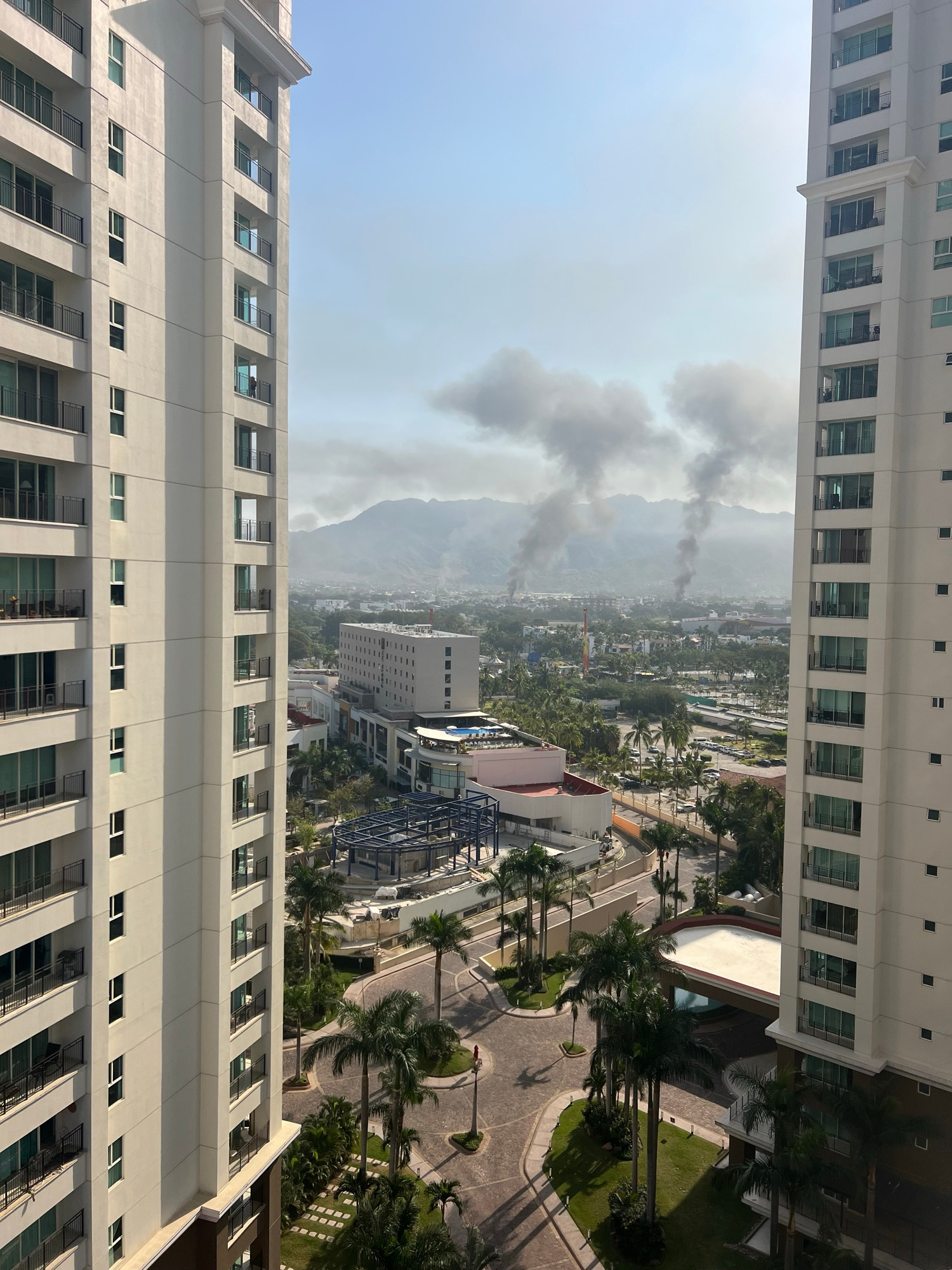
Puerto Vallarta, Mexico faced an unprecedented surge of violence on Sunday as members of the Nueva Generación Cartel (CJNG) retaliated against federal forces following the reported killing of their leader, Nemesio Oseguera Cervantes, commonly known as “El Mencho.” Eyewitness accounts document multiple vehicles being set ablaze throughout the city, with reports of roadblocks and other violent acts disrupting panicked residents and travelers alike.
Mexican federal officials confirmed the operation, as reported by the Associated Press.
Following the operation that led to El Mencho’s demise, residents reported thick, black smoke blanketing Puerto Vallarta, alongside aggressive tactics by cartel members, including burning cars and buses. The intensity of these actions sparked immediate safety warnings, resulting in hotel guests being advised to remain indoors and the Puerto Vallarta International Airport issuing alerts as flights were reportedly redirected amidst the chaos, according to flight trackers and social media updates.
Local officials have indicated that the unrest is a direct response to the federal operation in Tapalpa, which has ignited heightened tensions across the region. Witnesses described scenes of destruction, including armed individuals slashing tires and setting various structures on fire, complicating transportation and safety measures.
As the violence spread, neighboring cities such as Guadalajara also experienced unrest, with reports of blockades and further attacks reminiscent of the tactics employed by the cartel during previous conflicts. The current state of emergency has evoked grave concerns among both local residents and tourists, prompting urgent calls for safety measures and heightened security across Jalisco state.
Regional tourism faces potential backlash. Inevitably, the position occupied by Mencho raises questions about the efficacy of government control in areas plagued by organized crime. If indeed El Mencho was killed, the reshuffling of command could have immediate and noticeable consequences for the region.