
 By News Editor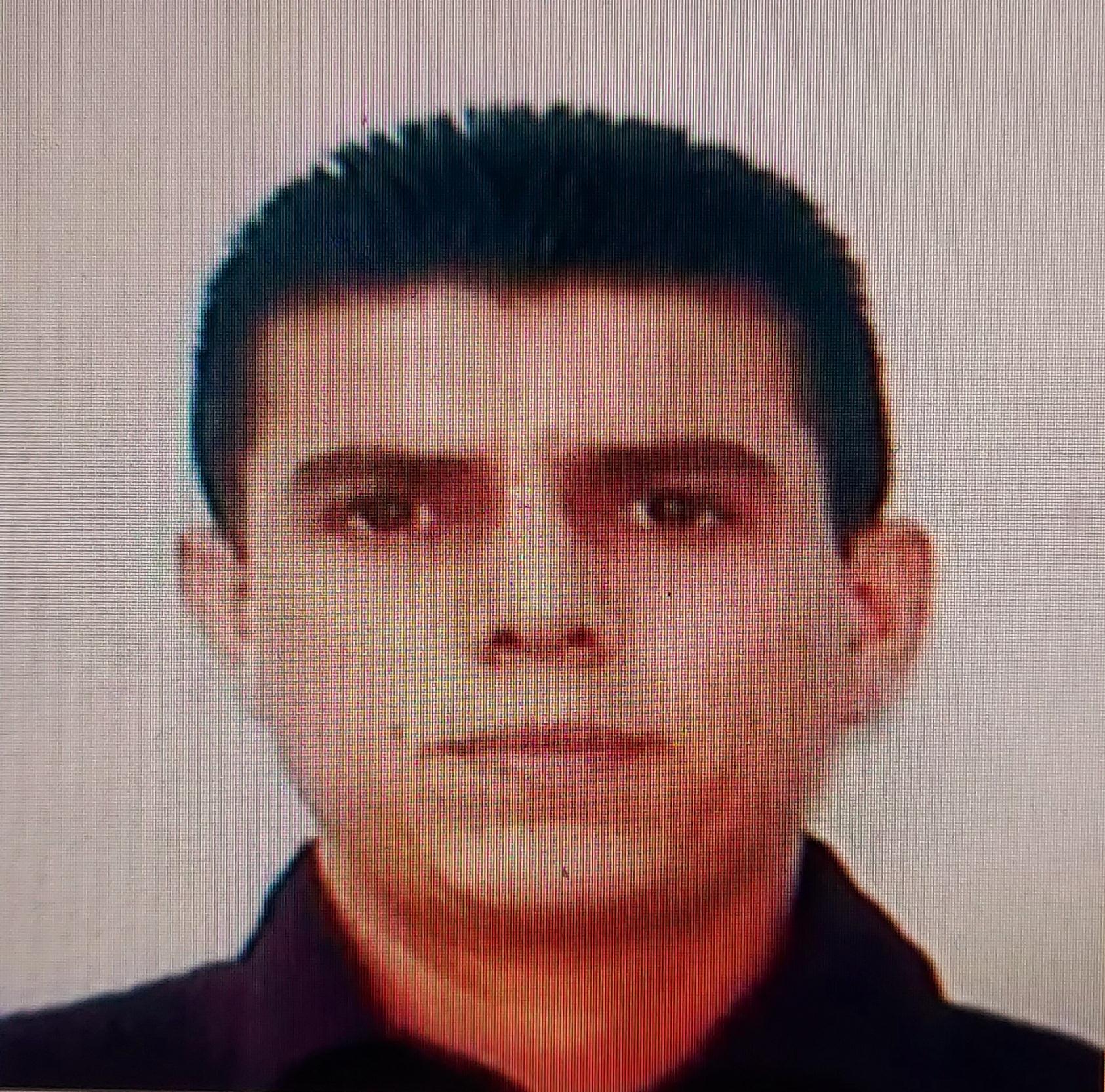
While we are all keenly aware of the latest news flow e.g. El Mencho is killed at the hands of Mexican Special Forces, there’s a series of splintering and likely unanticipated consequences that will lead to endless rounds of violence until the new leadership of the CJNG feels satisfied.
These actions against the Mexican government and civilians will involve:
- Police officers accross high value plazas. Officers who are not collaborating to the liking of the organization.
- Targeting of military officials who participated in the operation. Mid level officers.
- Targeting of rival groups, but likely, the power of the purse and quick decisive negotiations will take place. The CJNG is firmly aiming at the government, if just for the sake of the brand.
- Bolder actions in the US wherever information is thought to be leaked. This is a once in a lifetime intersection of circumstances where a top Mexico cartel boss is taken out while a group is still quite powerful
Left open is how much of this activity will surface in the United States, as the group’s presence is often not really substantial beyond. Most of the people attributed to a ‘Cartel’ are really more like subcontractors. Think ’employer of record’ distance for those of you on temporary work contracts.
Succession & Family Ties – A Monarchy
On December 1, 2021, the U.S. Department of State’s Bureau of International Narcotics and Law Enforcement Affairs announced a reward of up to $5 million for information leading to the arrest and/or conviction of Juan Carlos Valencia González, an alleged leader of the Cartel de Jalisco Nueva Generación (CJNG), stepson of Nemesio Oseguera Cervantez and biological son of a prior cartel leader. He will likely be the CJNG’s most effective leader because of the continuity they have long sought through other family members and intermarriage. Oseguera Cervantez is not the last or first of a dense network of familial ties.
Unfortunately, for El Mencho, many of his direct family members are in jail or under some type of prohibitive restriction. His son, alias ‘El Menchito’, refused to collaborate with federal authorities and so remains in a maximum US federal security prison. His daughter is also jailed. His son-in-law was recently arrested in Riverside, California.
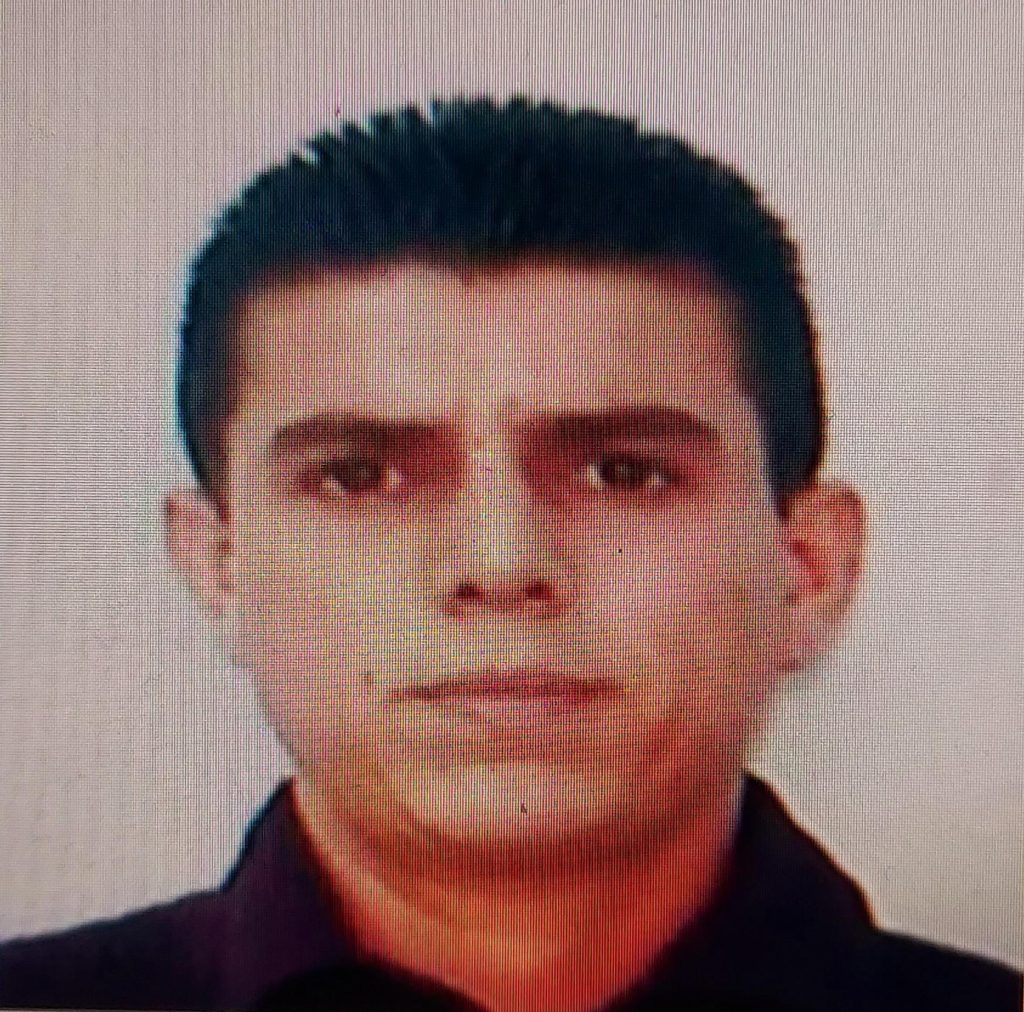
This disarray personally suffered by Mencho leaves some of the other surnames more relevant. Valencia comes to mind.
In 2020, Juan Carlos Valencia González was indicted in the U.S. District Court for the District of Columbia on federal narcotics trafficking and firearms charges, including conspiracy to manufacture and distribute controlled substances for unlawful importation into the United States.
What makes Valencia unique is two things: his surname, which aligns with the Valencia or Milenio cartel, effectively, drug royalty and his US Citizenship. Valencia was born in Santa Ana, California. Valencia was also born into the Milenio cartel through his mother and father, Armando Valencia Cornelio.
Juan Carlos Valencia González, born September 12, 1984, in Santa Ana, California, is a dual U.S.-Mexican national whom the U.S. Department of State has identified as an alleged senior figure within the Cartel de Jalisco Nueva Generación (CJNG). There is currently an offer of $5 million under the Narcotics Rewards Program. Known by aliases including “Pelón,” “El R-3,” and “O2,” Valencia González is the son of Rosalinda González Valencia and the stepson of Nemesio “El Mencho” Oseguera Cervantes, the late CJNG leader who previously carried a $10 million U.S. bounty.
Again, JCVG’s biological father is Armando Valencia Cornelio, known as “El Maradona,” and was the founder and leader of the Cártel del Milenio, a powerful trafficking organization based in Jalisco and Colima during the 1990s and early 2000s. This group splintered and organized to fight off the incursion of the notorious US trained Zetas cartel. We note them as US trained since they were all prior Mexican Special Forces.
In 2003, Valencia Cornelio was jailed in Mexico. He was later extradited to the United States in 2012, where he faced federal drug trafficking charges related to cocaine distribution. In 2014, he was sentenced in U.S. federal court (Northern District of Texas) to a lengthy prison term of more than 20 years. The entire family has a history of 0 collaborations with US authorities.
As noted, the significance of JCVG extends beyond CJNG’s current structure: the Valencia surname traces back even further than the Milenio Cartel. Before that time in the 1980’s and the 1970’s, they mostly concentrated in wholesale meth production and sales alongside Avocado farming.
Members of the Valencia family, including relatives associated with the group known as Los Cuinis, were instrumental in evolving Milenio’s trafficking infrastructure and money laundering tasks into what later became CJNG after the fragmentation of older cartels. This makes sense because they had many legitimate businesses to launder the money through in Mexico and elsewhere.
U.S. authorities allege that Valencia González participated in the manufacturing, transportation, and distribution of large quantities of cocaine, heroin, and methamphetamine destined for the United States, and he was indicted in 2020 in federal court in Washington, D.C., on narcotics conspiracy and firearms charges.
The Valencia’s have made it their mission to be as powerful and diversified from the start. Thus, Valencia’s ascent will mark the continuation of a multi-generational trafficking network rooted in the Valencia family’s long-standing role in western Mexico’s organized crime scene and governance.
The Supply Chain vs. The Health Crisis
The reality is stark: even as the U.S. posts reward offers and pursues high-profile indictments, fentanyl continues to flow, and overdose deaths remain devastatingly high. The $5 million reward for Valencia González represents an enforcement response to the supply side of the crisis. But enforcement alone has not reversed the trajectory of overdose mortality.
What Happens When the “Boss” Falls?
The killing of cartel leader “El Mencho” yesterday demonstrated the limits of decapitation strategies. Rather than producing stability or some kind of rebalancing of power, his death triggered retaliatory violence, road blockades, and destabilization in multiple regions.
A Valencia will notably be in charge for the foreseeable future because they always have been, just not with so much visibiltiy as their flashier northern counterparts and associates, the ‘Chapitos’.
In other words, leadership removal may satisfy political narratives, but local communities frequently absorb the immediate consequences. The current dynamic will gradually shift if the money supply is never cut off. The money is dependent on US addiction.
The Demand Side Remains Untreated
While federal indictments cite conspiracy statutes under Title 21 of the U.S. Code and firearms violations under Title 18, the broader public health data point to a deeper structural failure:
- Substance use disorder remains under-treated.
- Mental health services are underfunded.
- Harm reduction infrastructure remains uneven.
- Criminalization continues to discourage people from seeking help.
Cartels operate because there is demand. That demand is fueled by untreated trauma, economic instability, mental health gaps, and pharmaceutical legacies that predate CJNG’s rise. The current fentanyl epidemic coverage reduces many of these points to a list of wanted posters. It should instead be measured in overdose fatalities, arms trafficking south to Mexico, grieving families, and strained healthcare systems.