
 By Breaking Editor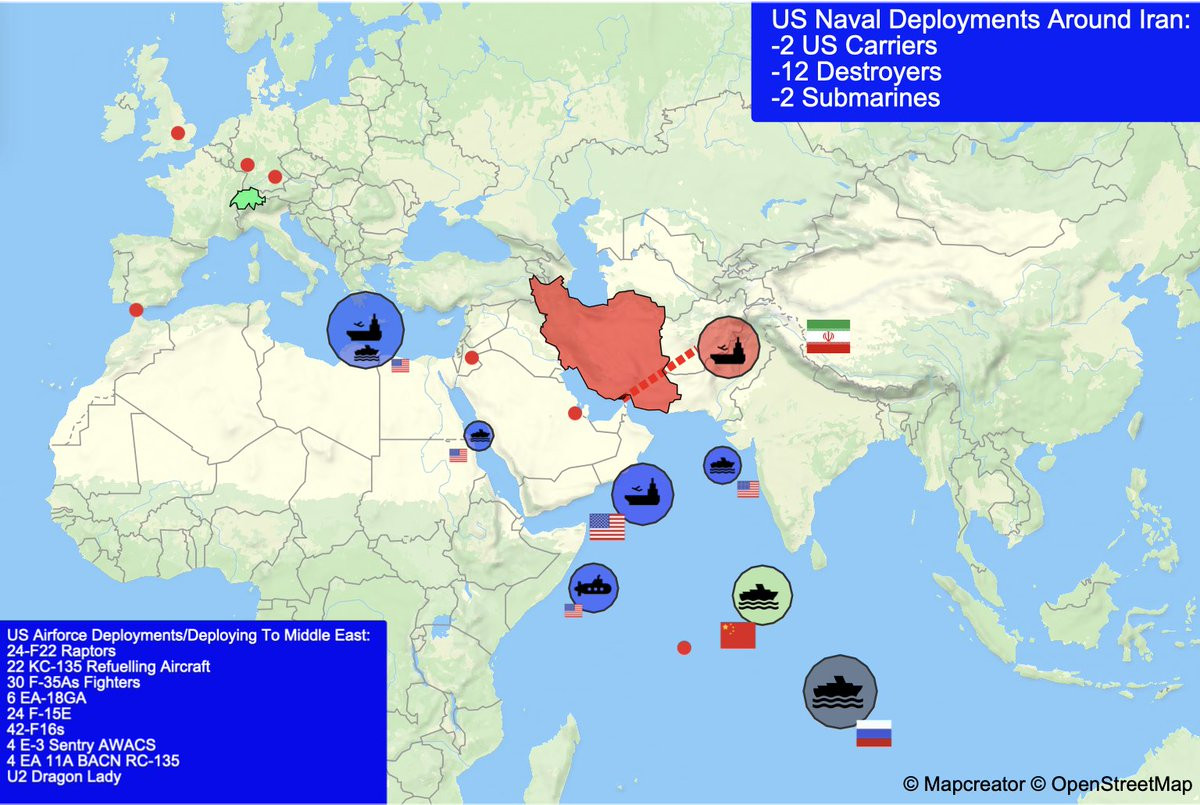
The USS Gerald R. Ford, the world’s largest aircraft carrier, departed its naval base in Crete on Thursday, marking a significant escalation in U.S. military readiness amid ongoing nuclear negotiations with Iran. This deployment signals an increase in military pressure on Tehran as the U.S. boosts its naval assets in the region.
The carrier’s departure coincided with renewed diplomatic efforts aimed at addressing concerns over Iran’s nuclear capabilities. As part of this military deployment, the USS Gerald R. Ford will join other U.S. naval forces in the Mediterranean, including the USS Abraham Lincoln, effectively positioning U.S. naval power close to Iranian waters.
This strategic military buildup has raised alarms, as tensions between Washington and Tehran intensify. Reports indicate that Iran is close to finalizing a deal to acquire advanced anti-ship missiles from China, potentially complicating the risks associated with U.S. naval operations in the region. The ongoing developments suggest an increasing likelihood of military engagement should diplomatic channels fail.
Analysts are closely monitoring the situation as U.S. military leadership appears to be on high alert. The heightened naval presence has been interpreted as a signal to Iran, particularly in light of the latter’s recent joint naval drills with Russia and statements vowing retaliation against U.S. military actions.
As the U.S. solidifies its naval posture, the implications for regional stability and the broader geopolitical landscape remain uncertain. Market participants are advised to remain vigilant amidst these developments, particularly as potential disruptions in the Strait of Hormuz could impact global oil supply lines.