
 By Breaking Editor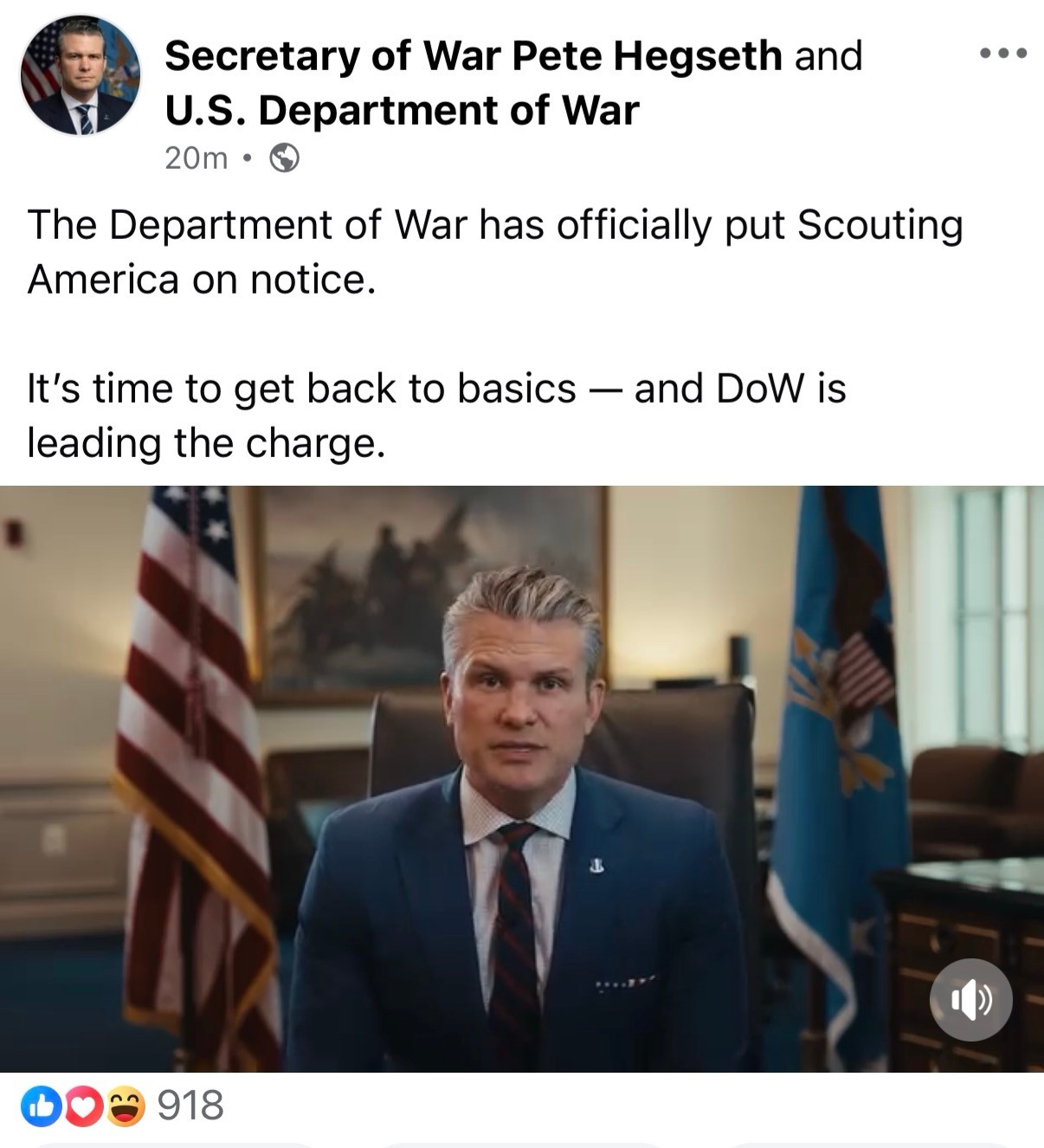
February 27, 2026 – In a significant escalation of tensions between the Pentagon and artificial intelligence firm Anthropic, CEO Dario Amodei confirmed today that the company would not relax its policies surrounding the military application of its technology. The decision comes after weeks of negotiation, wherein the Defense Department (DoD) sought unrestricted access to Anthropic’s AI systems, particularly for potential military uses like autonomous drones and mass surveillance.
In a series of tweets, references to the situation flooded social media, showcasing a spectrum of opinions on the impasse. Notably, the Pentagon threatened to invoke the Defense Production Act (DPA), a legislative measure that could enable the government to take control of private production capabilities, if Anthropic failed to comply with its demands by a specified deadline.
Amodei’s announcement reiterated his commitment to ethical considerations, stating he “cannot in good conscience” comply with the Pentagon’s requests. This reiteration seems to underscore Anthropic’s stance against the proliferation of lethal autonomous weapons, amidst mounting pressures from defense officials.
Anthropic’s stance has garnered an unusual engagement from Pentagon officials, suggesting there is intense scrutiny. Pentagon officials have tweeted about Anthropic multiple times within hours today.
Axios and the Financial Times reported the rejection of the Pentagon’s “best and final offer,” highlighting the entrenched opposition to military applications of AI technologies.
In a broader context, the incident reflects ongoing debates in the tech community about the moral and ethical responsibilities of AI firms. Critics have highlighted what they perceive as inconsistent behavior from Anthropic, illustrated by user @kortizart, who lamented a perceived pattern of addressing but ultimately continuing to engage in controversial practices.
As discussions continue, the intersection of military applications and AI ethics remains a critical focal point for both industry leaders and policymakers. With the Pentagon’s pursuit of advanced capabilities and Anthropic’s steadfast refusal to comply, this confrontation is likely to evolve into a pivotal case study on the role of technology firms in matters of national defense.