
 By Breaking Editor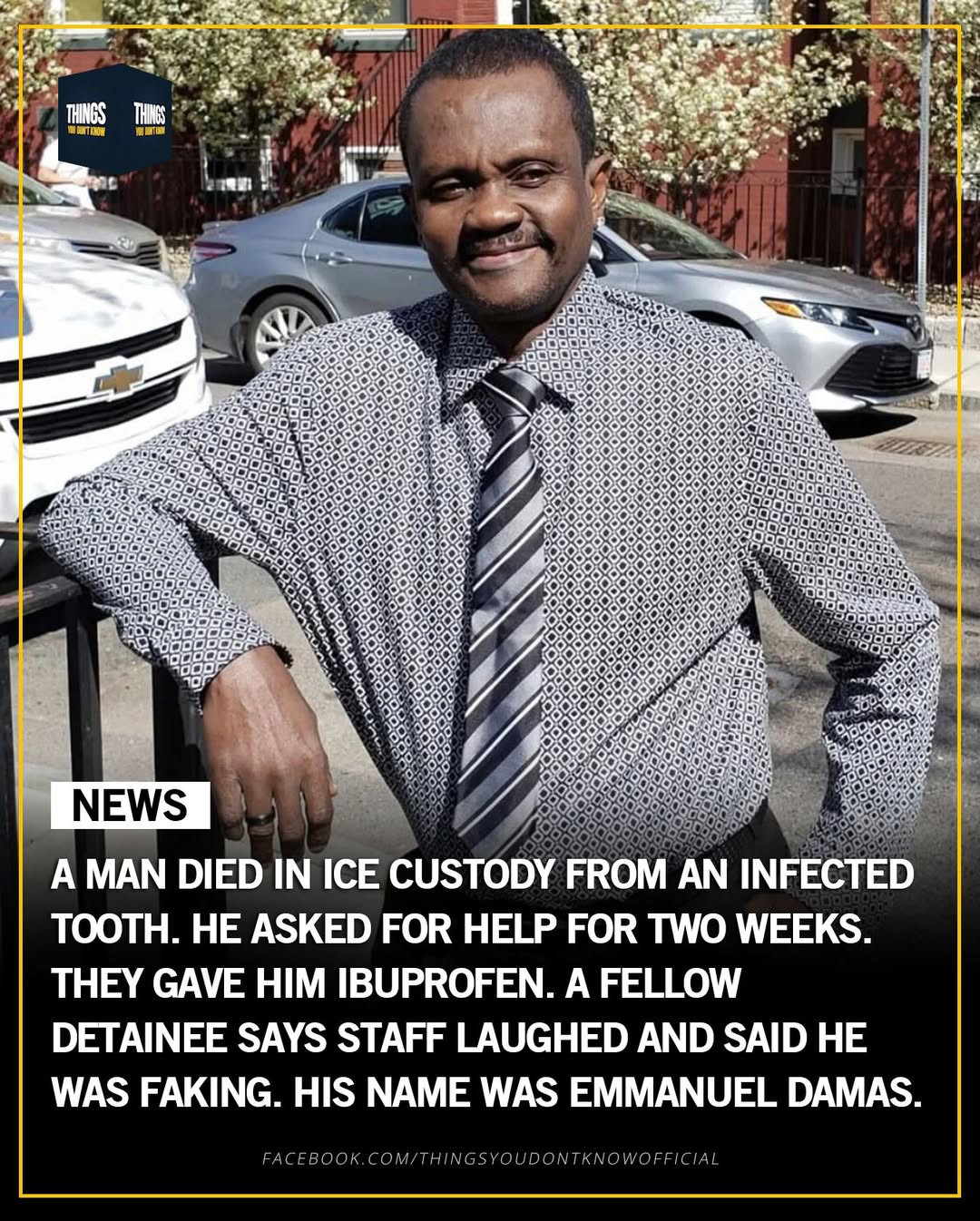
Emmanuel Damas, a 56-year-old Haitian asylum seeker, tragically passed away on March 3, 2026, due to complications arising from a tooth infection while in the custody of Immigration and Customs Enforcement (ICE). Damas had been detained for four months at the Florence Correctional Center in Arizona, a facility operated by CoreCivic, which has faced increasing criticism over inmate health care and conditions.
His death followed weeks of complaints about dental pain, ultimately leading to sepsis—a life-threatening condition. Damas was reportedly taken to a Scottsdale hospital for care, but succumbed shortly thereafter. According to reports, he entered ICE custody after arriving in Boston through a humanitarian parole program intended for Haitian immigrants established under the Biden administration.
Damas is the latest in a series of deaths within ICE facilities, underscoring ongoing concerns about the health care and living conditions in privatized detention centers. Activist and social media users highlighted the severity of the situation, with one tweet stating, “Died from a tooth infection!!! This is completely outrageous. #CoreCivic has hit the bottom of hell with this abuse. No one on American soil should die from that.”
Critics of CoreCivic assert that the company’s for-profit model prioritizes profits over detainee welfare, with accusations of inadequate medical care and unsanitary conditions. Advocates have also pointed to data showing that CoreCivic runs four of the five deadliest ICE facilities, a fact that raises questions about accountability measures in place following these tragic events.
In the weeks preceding Damas’s death, there were other documented cases of fatalities at facilities operated by CoreCivic, as reports reveal that at least nine individuals have died in ICE custody in 2026 alone. With public pressure mounting, many are calling for systemic reform of the detention system and greater oversight of private prison companies like CoreCivic.
As the conversation around privatized immigration detention intensifies, organizations and activists continue to campaign for awareness and change, with many using social media to document ongoing issues. The tragic story of Emmanuel Damas highlights a broader crisis within the immigration enforcement framework in the U.S., fueling calls for urgent reforms and justice for those affected.
The administration and CoreCivic have yet to publicly comment on this specific incident, as mentioned by observers who emphasize the lack of accountability for conditions leading to Damas’s death.
Advocacy groups are expected to increase pressure on lawmakers and financial institutions, particularly those like Citizens Bank, which are linked to funding these private detention facilities, to sever ties and invest in alternatives that prioritize human rights over profit.