
 By Breaking Editor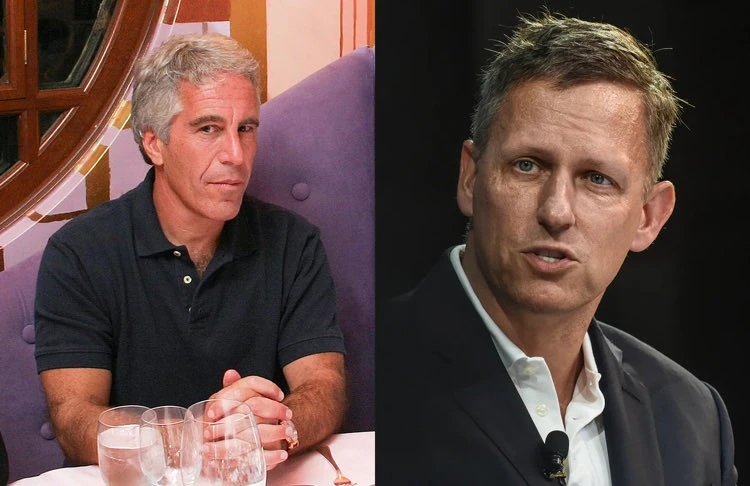
JD Vance, the former U.S. Senator from Ohio and now low key Vice President of Donald Trump, is under intense scrutiny as critics allege he is merely a puppet for billionaire backer Peter Thiel, sparking both political and ethical debates. As the Iran war burns the political cache of Trump with his base, Vance may indeed be the anticipated alternative for the oligarchs backing Trump. Social media commentary portrays Vance as having sacrificed his authenticity and values to secure Thiel’s financial support and political influence.
Critics argue that Vance’s alignment with Thiel represents a troubling trend of politicians reshaping their identities to serve wealthy benefactors. When a politician reinvents their identity to serve an oligarch, they are an asset of some kind, Vance is suggesting a loss of trust in his motives as they are fickle. Others have drawn attention to Thiel’s recent lectures on controversial topics near the Vatican, highlighting the irony of his public persona versus private dealings.
Thiel, known for his connections with tech giants and controversial figures, has faced allegations regarding his past associations, including financial links to Jeffrey Epstein. A user claimed, “Peter Thiel lied about his relationship with Jeffrey Epstein,” suggesting these associations further complicate Vance’s narrative and raise questions about his integrity as a politician.
The impact of Thiel’s influence on Vance’s political ideology was brought into sharp focus, with critics stating that Vance has adopted ideals that align closely with those of Thiel, which some describe as a “Dark Enlightenment” philosophy. This has led to assertions that supporting Vance is tantamount to empowering a new elite that Trump supporters claim to oppose.
This controversy comes at a time when political tensions are rife in the U.S., as citizens grapple with a perception of a government increasingly under the influence of a handful of wealthy individuals. Critics are urging constituents to consider the implications of this oligarchic power dynamic in future elections.