
 By Breaking Editor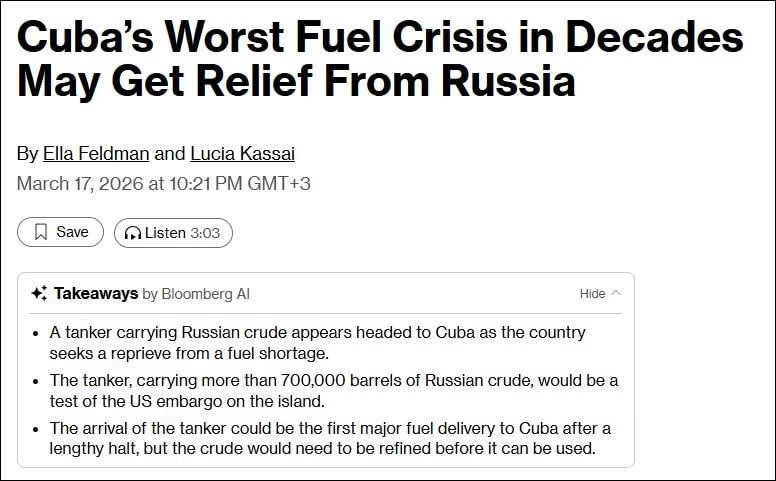
Oil prices have surged recently, with Brent crude reaching levels as high as $119 per barrel, driven by growing tensions in the Middle East and supply disruptions particularly affected by conflicts in the region. This increase has reignited inflationary fears in the eurozone, where traders are already anticipating up to two interest rate hikes by the European Central Bank (ECB) this year, as reported by Market Ocean.
The impact of these staggering prices is being felt worldwide, as evidenced by the recent arrival of the Russian tanker “Anatoli Kolodkin” in Cuba, carrying a cargo of 730,000 barrels of oil. This move comes amid an energy crisis on the island, which faces serious challenges due to the embargo imposed by the United States, according to Bloomberg.
Additionally, a new study has revealed that gasoline-powered vehicles in Europe could face costs up to five times higher than electric cars, especially if oil prices remain above $100 per barrel, underscoring a trend toward renewable energy — though not all experts see this transition as a genuine reduction in oil consumption. The debate over the usefulness of electric vehicles in curbing oil use continues to be hotly contested on social media.
Against this backdrop, U.S. Treasury Secretary Scott Bessent has indicated that sanctions on Iranian oil could be lifted in an effort to ease price pressures in the market. However, this possibility has been met with skepticism, as multiple geopolitical factors complicate the situation, according to social media commentary.
On the other hand, Spanish Prime Minister Pedro Sánchez has emphasized the need to diversify energy sources, championing renewable energy over growing dependence on oil and pointing toward a more sustainable future, though the immediate challenges are evident.
Meanwhile, uncertainty persists on Wall Street, where stocks opened in the red due to the energy crisis, reflecting investor unease over a future marked by potential conflicts and the continued rise in oil prices.