
 By Breaking Editor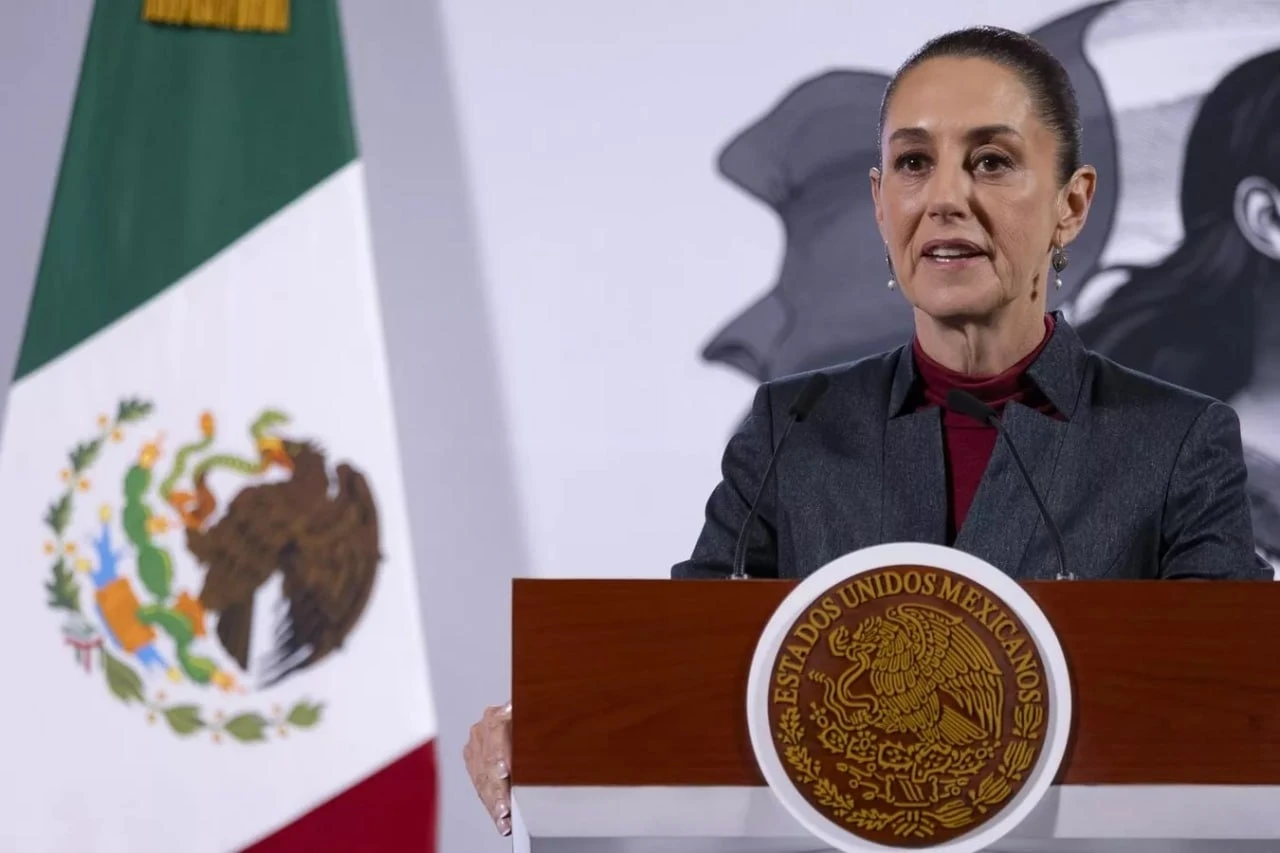
In a significant diplomatic effort, Mexican President Claudia Sheinbaum announced that Mexico is exploring various options to deliver oil to Cuba while avoiding the constraints of U.S. sanctions. This declaration underscores Mexico’s intention to assist Cuba amid an ongoing energy crisis exacerbated by American pressures and restrictions.
Sheinbaum’s remarks, shared via social media, indicated that an announcement detailing the proposed method for transportation, which she implied would mitigate any repercussions from U.S. tariffs, is forthcoming. Previously, Cuba last received oil shipments from Mexico on January 9, 2023, a cessation that has heightened the island’s current energy blockade situation as it turns to alternative sources, including recent deliveries from Russia.
This initiative by Mexico dovetails with a broader regional response to aid Cuba, as countries like Spain have also voiced support for humanitarian assistance to the island. The latest developments come at a time when international groups are organizing to provide humanitarian aid—including food and medical supplies—to help mitigate the impact of the blockade on the Cuban population.
Support for Cuba’s situation has been growing, with various organizations, such as Codepink, preparing efforts like the Nuestra América Convoy, set to carry essential supplies from Mexico to Cuba in an effort to alleviate the hardships faced by its citizens due to U.S. policies.
The geopolitical implications of this move are noteworthy, as it challenges U.S. hegemony in the region and reflects a realignment among nations willing to defy Washington’s dictates in favor of more direct support for Cuba. With analysts observing the shifting dynamics, the emerging ties between Mexico, Cuba, and Russia may spark further discussions on U.S. foreign policy and its regional ramifications.