
 By Breaking Editor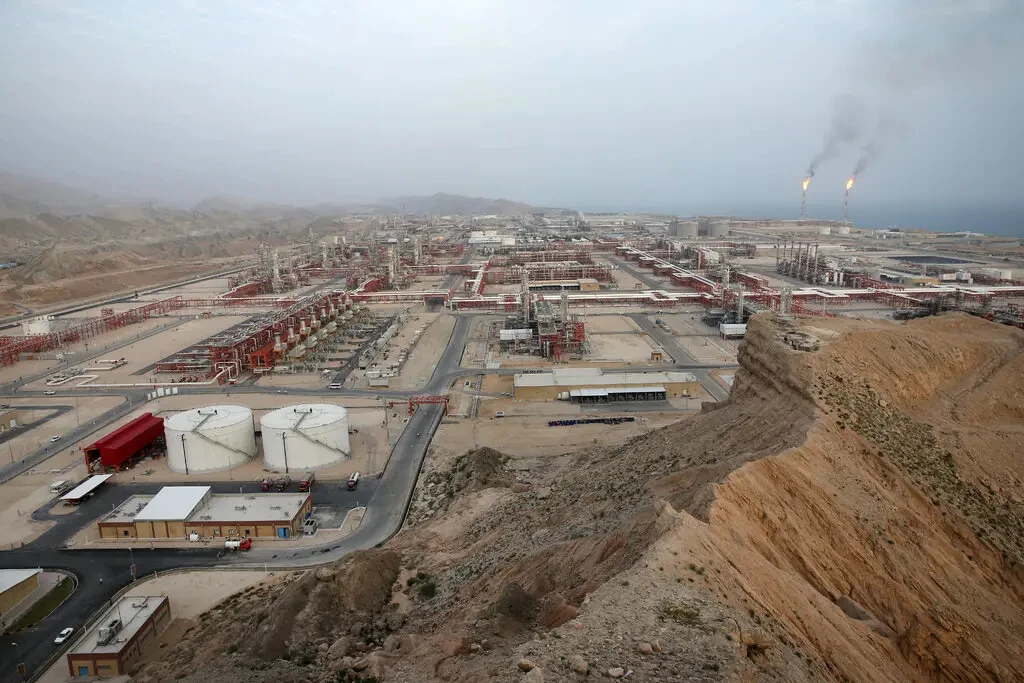
On March 18, 2026, Israel’s struck Iran’s South Pars, the world’s largest natural gas field. The attack raised alarms about the potential ramifications for energy markets and geopolitical stability in the Persian Gulf. The attack, which reportedly targeted facilities integral to Iran’s energy infrastructure, has prompted Tehran to intensify its military responses, threatening further destabilization in the region.
According to sources, South Pars, which contains an estimated 1,800 trillion cubic feet of natural gas and substantial oil reserves, has become a focal point in the ongoing conflict between Israel and Iran. Iranian officials have responded to the strike by declaring that energy sites in the region are now “direct and legitimate targets,” escalating the risk of wider military confrontations, particularly as Iranian forces retaliated against energy facilities in Qatar and Kuwait, exacerbating concerns over supply disruptions.
The attack comes amid heightened tensions following comments from U.S. President Donald Trump, who criticized Israel’s military actions and urged restraint regarding Iranian infrastructure. Despite these calls for de-escalation, the situation continues to deteriorate, with energy prices responding to the volatility. A decline in natural gas supply from the Gulf could lead Europe to increasingly rely on Russian resources, impacting the broader energy landscape.
Financial markets have been rattled by the continued conflict, with Gulf states questioning their investment in Trump’s family and wealth.
As the conflict unfolds, analysts warn that the shifting dynamics may lead to prolonged disruptions in global energy supply, a concern echoed by industry observers who have noted already rising prices and increasing market uncertainty. The implications of this conflict extend beyond regional hostilities, with potential global economic repercussions if the situation escalates further.
The ongoing developments in the Persian Gulf highlight the fragile balance of power in the region and the significant impact such military engagements have on international energy markets as countries grapple with the fallout of such confrontations.