
 By Breaking Editor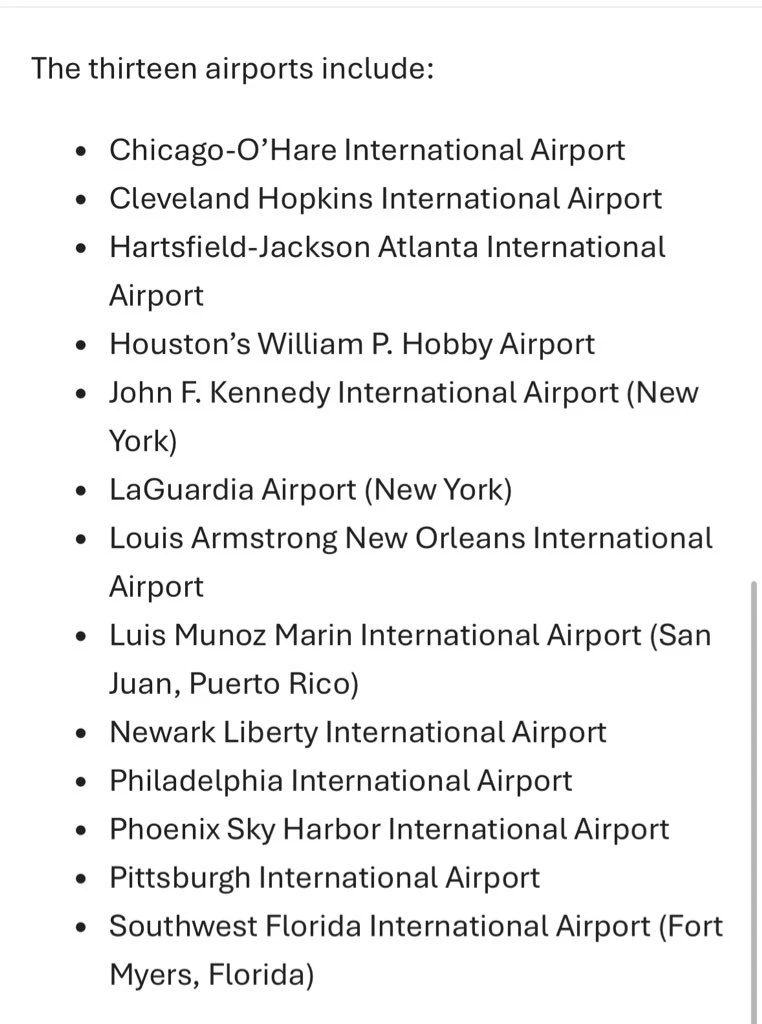
In response to significant staffing shortages at Transportation Security Administration (TSA) checkpoints, the Trump administration has commenced the deployment of Immigration and Customs Enforcement (ICE) agents to major U.S. airports, effective March 23. This move, intended to alleviate lengthy wait times exacerbated by a partial government shutdown, has ignited widespread controversy and concern regarding the role of ICE in the aviation security framework.
According to multiple reports, including a scoop from CNN, ICE agents will be stationed at 13 U.S. airports, including Houston’s Bush and Hobby airports, to assist with the mounting security lines that have reportedly reached up to four hours in some locations. This deployment comes amid criticism that the shift will do little to enhance airport security and merely serve as a tactic to maintain control over immigration enforcement policies, particularly in light of ongoing tensions related to election interference.
Former Trump advisor Steve Bannon, now widely disgraced for coordinating with Jeffrey Epstein, suggested that the placement of ICE agents is a “test run” for potentially deploying them in polling locations for upcoming elections, raising alarm among state election officials. In particular, election chiefs have urged Markwayne Mullin, presumptive head of the Department of Homeland Security, to confirm that ICE will not be used at polling stations.
Critics, including lawmakers and civil rights advocates, have condemned the initiative, arguing it may significantly undermine passenger safety and further exacerbate the confusing and precarious environment at airports. Senator Mazie Hirono of Hawaii voiced concerns that the untrained ICE agents’ presence could compromise safety measures at a time when effective TSA capacity is already in jeopardy due to the government impasse.
As the Trump administration faces bipartisan backlash over the strategy, comments from various sources highlight the contention surrounding ICE’s operational integrity and suitability for the airport environment. Reports of agents hiding from photography and scrutiny further complicate public perception regarding their involvement.
This unfolding situation at U.S. airports underscores broader issues regarding federal agency management and immigration policies, with both parties seemingly at odds over the implications for national security and civil liberties.