
 By Breaking Editor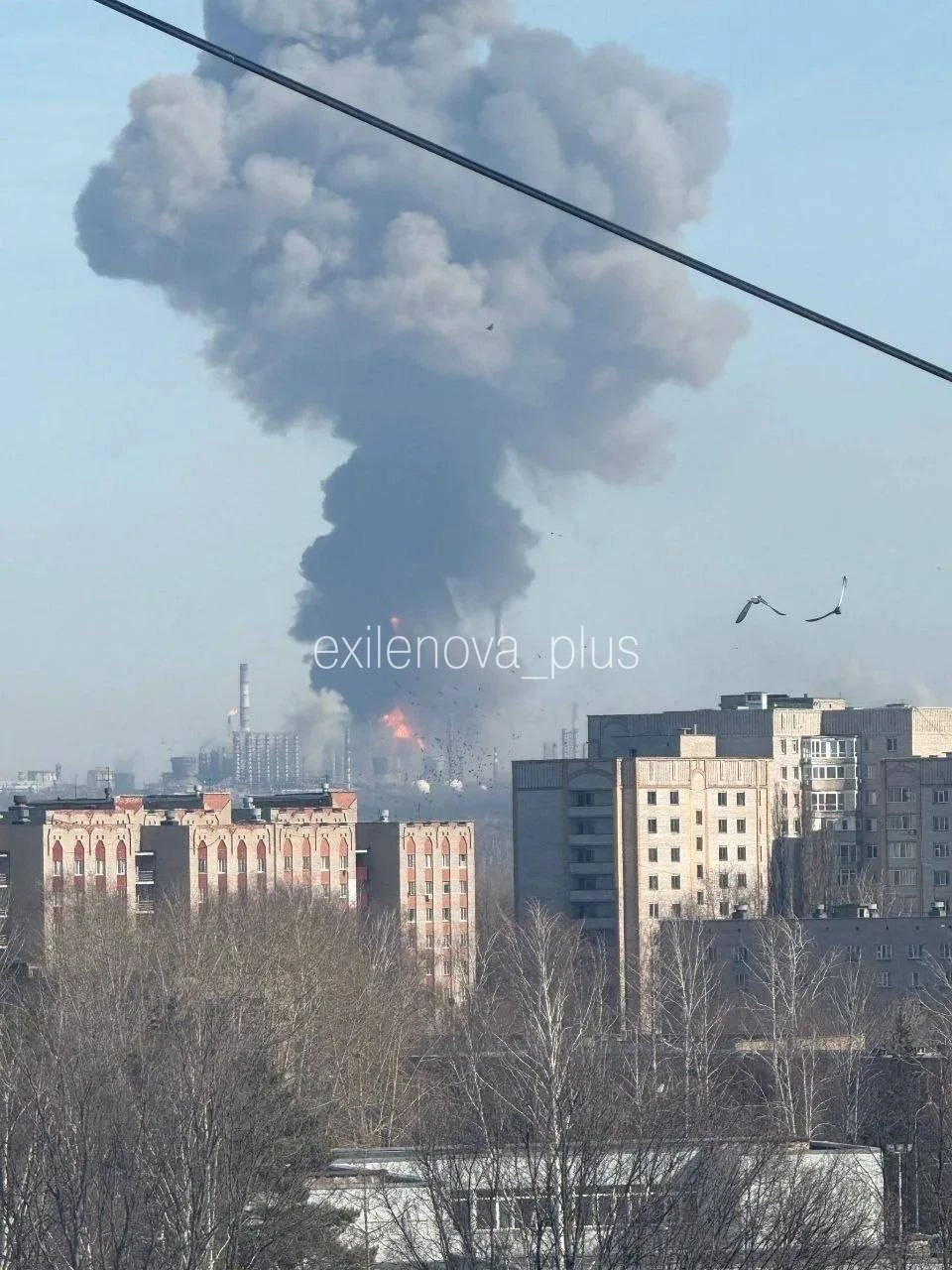
A significant explosion has been reported at the Nizhnekamsk oil refinery in Tatarstan, Russia, a facility that produces nearly 9 million tons of oil products annually. The blast adds to the growing concerns about the stability of Russia’s energy infrastructure as Ukrainian drone strikes increasingly target key oil facilities across the nation.
Recent social media reports indicated that the Nizhnekamsk incident is part of a broader trend, with multiple oil refineries in Russia suffering damage from drone attacks orchestrated by Ukraine. These strikes have reportedly resulted in substantial disruptions, cutting Russian oil exports by as much as 40% amid an ongoing conflict that has seen escalating military actions between the two nations.
In related developments, Ukrainian drone strikes have reportedly caused fires at the Ust-Luga and Yaroslavl oil ports, with visuals showcasing widespread destruction and thick black smoke rising from burning facilities. The Ust-Luga oil port, a critical node in Russia’s oil export network, has been under sustained attack for several days, as confirmed by Russian authorities.
Further complicating the geopolitical landscape, comments from U.S. political figures, including former President Donald Trump, have raised questions about America’s stance on Russia’s oil dealings with other countries, particularly Cuba. Onlookers have noted the apparent inconsistency in U.S. policy regarding oil exports, particularly in light of Russia’s continued military aggression against Ukraine.
The ramifications of these incidents extend beyond immediate fire damage; they pose significant threats to Russia’s economic stability and energy exports, key pillars of its economy. Energy analysts will be closely monitoring both the immediate impacts of the Nizhnekamsk explosion and the longer-term repercussions of Ukraine’s strategic attacks on Russia’s vital infrastructure.