
 By Breaking Editor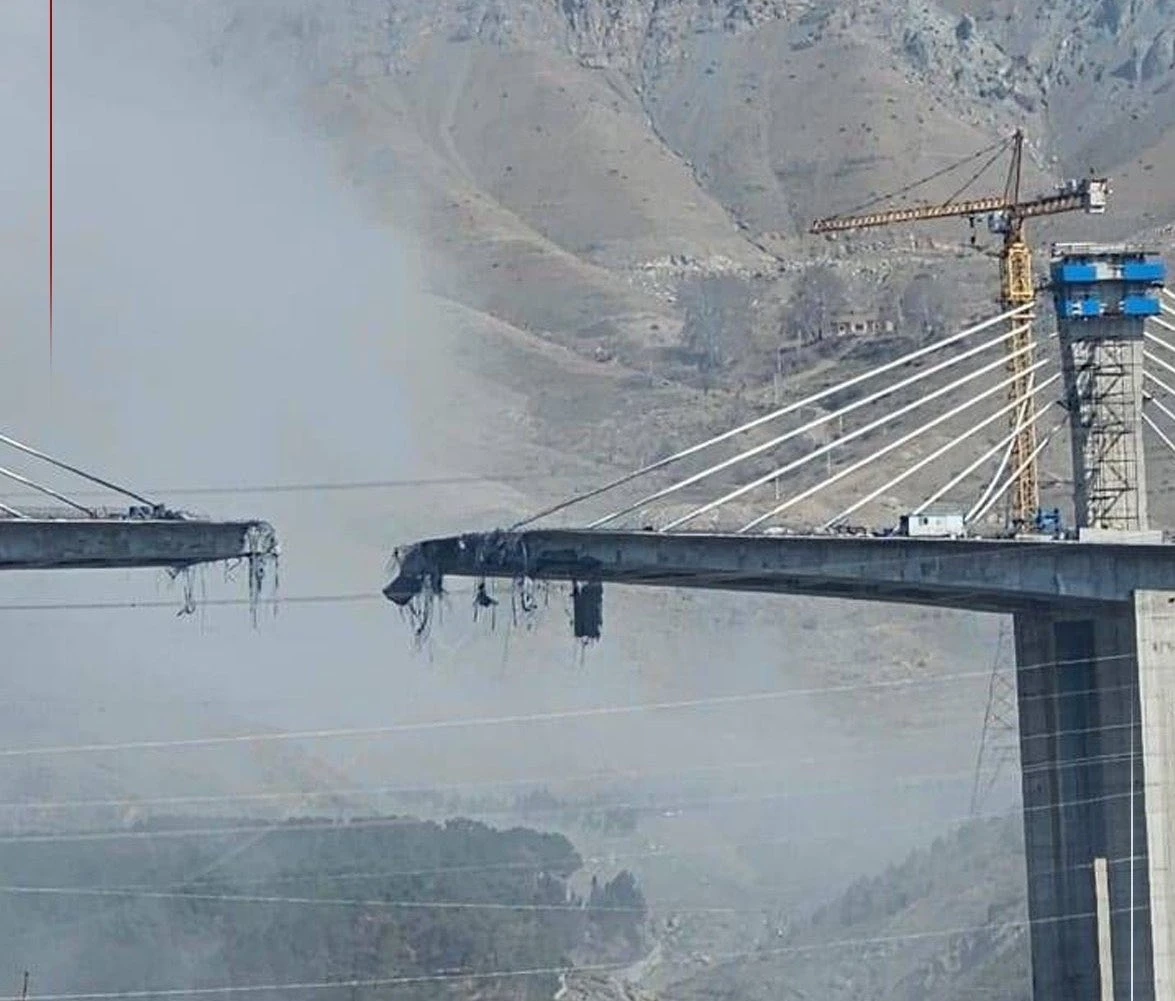
President Donald Trump has ignited controversy with recent military actions that targeted a major bridge in Iran, with critics alleging that the bombing constitutes a war crime. Reports indicate that the strike, part of a broader military campaign, resulted in significant civilian casualties, raising alarms over adherence to international humanitarian law.
According to social media reactions and various reports, the B1 bridge in Karaj, touted as Iran’s tallest, was bombed in what has been described as a “double tap” strike. Witnesses and commentators claim that the second bomb detonated shortly after first responders arrived to assist victims, a tactic often criticized for intentionally targeting rescue personnel. Eight individuals reportedly lost their lives, with about 95 others injured, leading to widespread condemnation from political analysts and human rights advocates.
Edith Olmsted from the New Republic cited the extensive destruction as being unjustified by any military necessity, suggesting it could fall under the definition of a war crime, consistent with international law stipulations. Comments on platforms such as Twitter and Bsky have echoed sentiments that Trump’s actions signal an alarming shift in U.S. military engagement, accusing the administration of recklessness and endangering both civilians and military personnel.
In the wake of the attack, Trump has made further threats to bomb critical infrastructure, including electric power plants, amplifying fears of a strategy that targets civilian sources of support. Critics, including various social media users, have highlighted the implications of such an approach, with some labeling it as a deliberate tactic to instill terror.
While Congress has remained largely silent on the matter, the military strategies embodied in Trump’s recent actions are likely to reignite debates surrounding U.S. foreign policy and ethical military conduct. The ramifications of these attacks are expected to resonate globally, with political observers wary of the potential for escalation in U.S.-Iran relations.
The spotlight on Trump’s military tactics raises profound questions about accountability and the evolving nature of warfare, especially in the context of compliance with humanitarian principles.