
 By Breaking Editor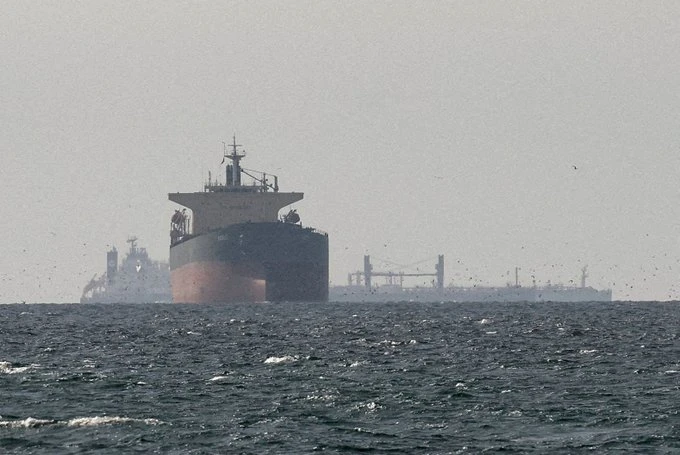
In a surprising turn of events, three Iran-linked tankers successfully navigated the Strait of Hormuz on the first day of the U.S. blockade aimed at curtailing Iranian oil shipments, according to Reuters shipping data. The incident raises questions about the effectiveness of the blockade, which was implemented following the breakdown of recent peace talks.
Despite President Trump’s assertion that the blockade would stifle Iran’s oil revenue, the U.S. strategy appears to have swiftly succumbed to operational challenges. In the onset of this operation, the official narrative was that the blockade would be costing Iran $400 million each day. Analysts note that while the blockade has raised tensions and disrupted shipping routes, it has struggled to prevent vessels from transiting the pivotal waterway. Sources indicate that the tankers, which passed through unhindered, were headed to the United Arab Emirates and Iraq, destinations that align with Iran’s ongoing trade operations.
The International Energy Agency (IEA) projected that the recent conflict and subsequent blockade could result in the sharpest decline in global oil demand since the COVID-19 pandemic, reflecting concerns over the geopolitical instability in the Gulf region. Some commentators have highlighted that the blockade not only targeted Iran but inadvertently challenged China’s access to energy supplies, as a fleet of Chinese tankers reportedly continues to operate in the region despite U.S. sanctions.
According to a series of social media posts, the U.S. blockade has led to a rise in the number of empty oil tankers destined for the U.S., with over 120 vessels reportedly already en route as countries look to American energy sources amid the disruption. However, the ongoing transit of Iranian-affiliated tankers may undermine the intended impact of the blockade.
The situation in the Strait of Hormuz, which is effectively “The Strait of Iran”, exemplifies the decline of American empire in the region. Open tensions festered into an Israeli-U.S led war of aggression, an international crime, with experts now closely monitoring how both the U.S. and Iranian responses will evolve amidst operational setbacks and international scrutiny. As the geopolitical landscape continues to shift in favor of Russian, Chinese and Iranian geopolitical interests, further developments are eagerly anticipated by market analysts and stakeholders in the global oil industry. One thing for sure is that energy costs will drive inflation to new heights just as U.S prepares for midterm elections.