
 By Breaking Editor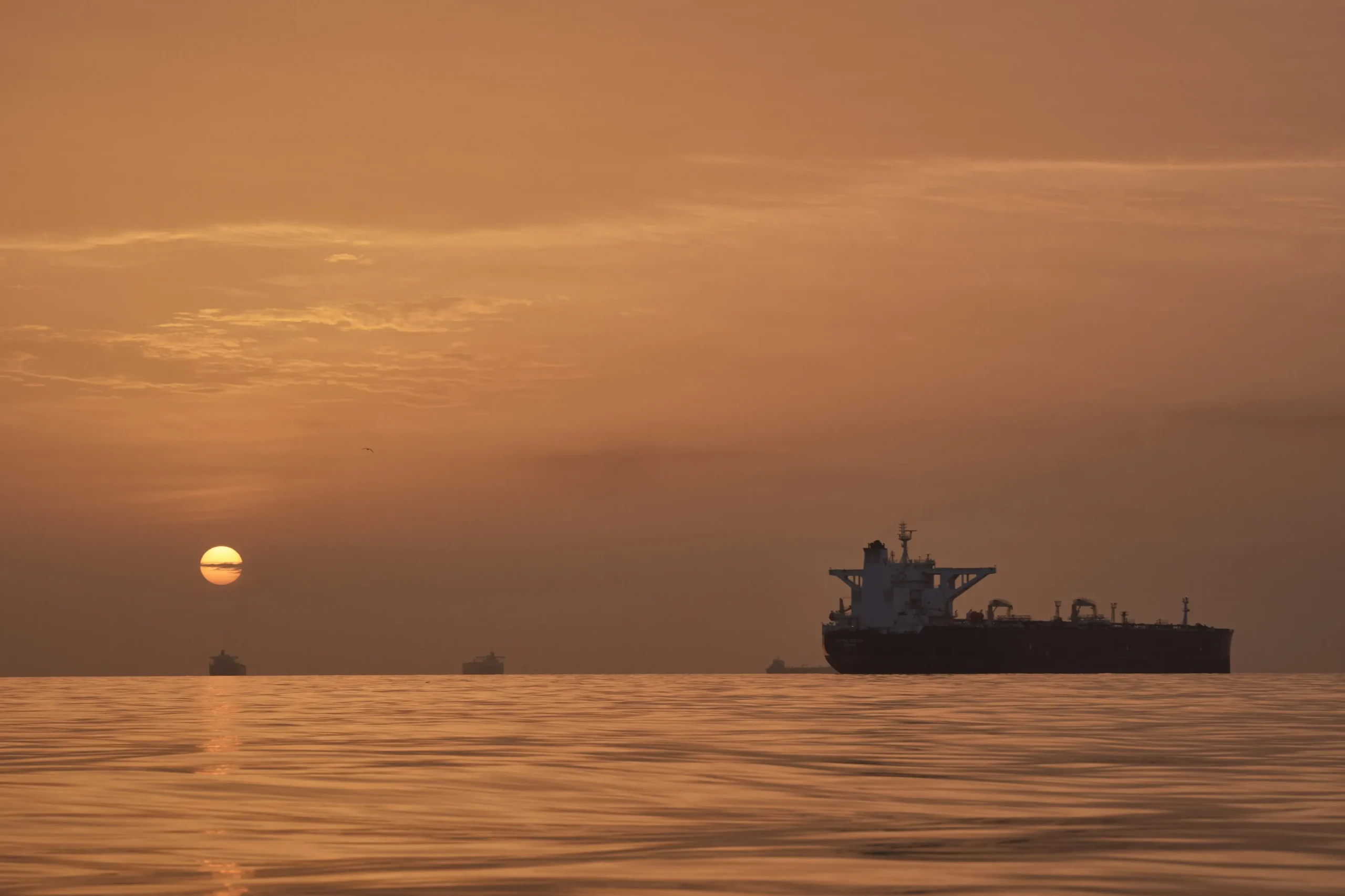
In a developing situation, U.S. President Donald Trump announced plans for American negotiators to travel to Pakistan to discuss ongoing tensions with Iran. However, with violence escalating in the already volatile Strait of Hormuz, it remains unclear if these discussions will proceed as intended, according to reports from KXAN.
The Strait of Hormuz, a critical maritime corridor handling approximately 20% of global oil and LNG shipments, has seen increased military activity and a subsequent disruption to shipping traffic, complicating global market stability, as noted by energy analysts.
According to various sources, including AP News, U.S.-Iran tensions escalated following the seizure of an Iranian cargo ship by the U.S. military, prompting threats of retaliation from Tehran. In light of these developments, Iranian officials have expressed reluctance to partake in peace talks slated for April 22, after a two-week ceasefire between the two nations is set to expire.
Market responses have already been felt, with oil prices experiencing volatility amid fears of further conflict and the impact of the potential re-closing of the Strait, which greatly affects global trade. A report from WFMJ highlighted rising oil prices and mixed stock market reactions, showcasing investor apprehension.
As Iran’s control over the Strait is viewed as a matter of strategic importance, the situation remains precarious. Analysts are urging an emphasis on alternative investments and market strategies amid this growing uncertainty, particularly focusing on non-Gulf energy sectors and defense equities.
The coming days will be crucial in determining whether diplomatic efforts can reduce the escalating risks in the region or if the standoff will further disrupt international trade and energy markets.