
 By Breaking Editor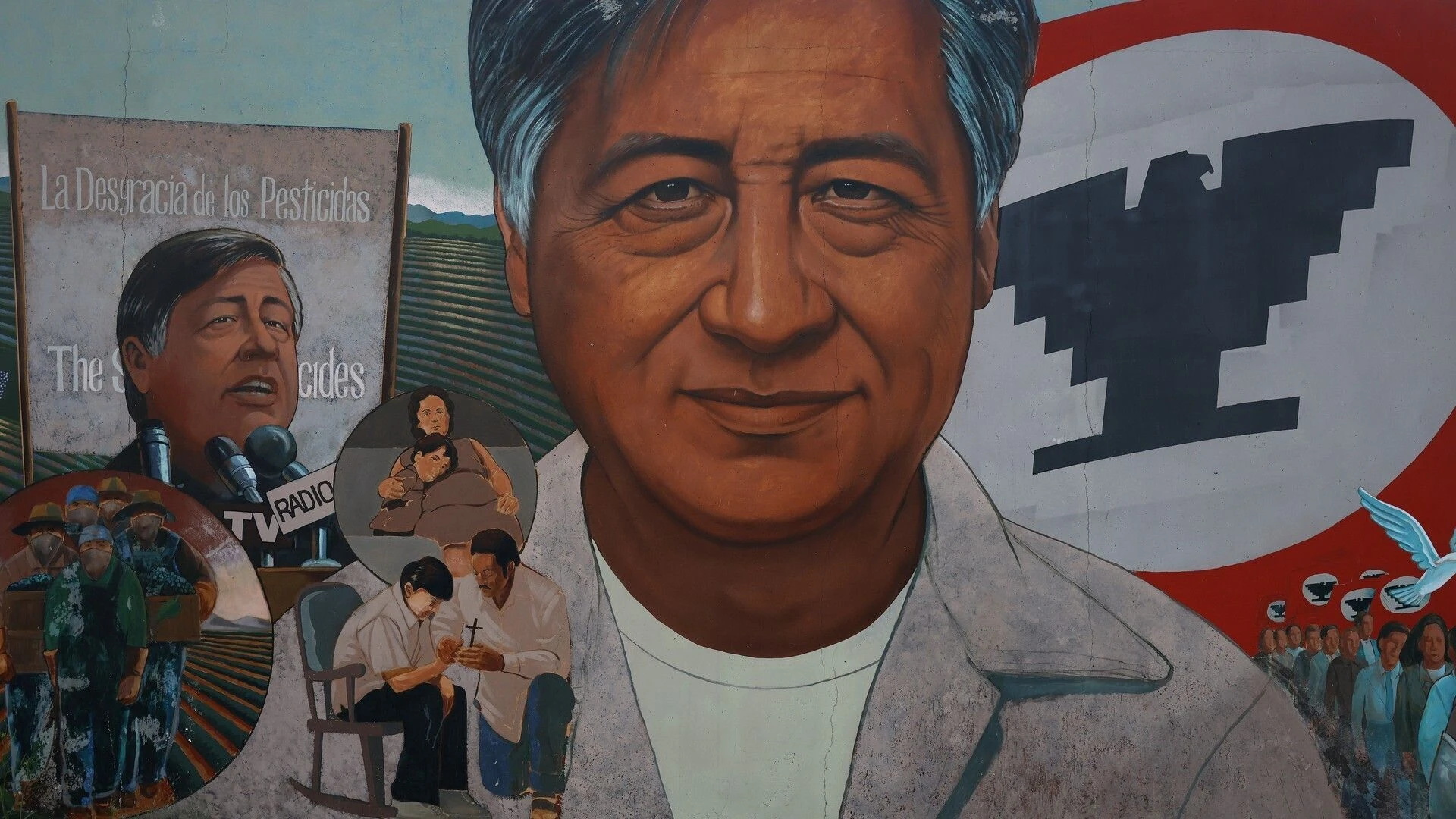
Recent allegations of sexual misconduct against the late Cesar Chavez, a prominent figure in the Chicano and farmworkers’ movements, have ignited a controversy that is reshaping perceptions within the community. Online discussions among activists and scholars have questioned the legacy of Chavez, with some calling for a reevaluation of his contributions amid accusations of misogyny and abuse.
Social media users have voiced their discontent, with one user stating that “the Chicano movement is going through it today” and labeling Chavez as unworthy of veneration. Concerns about Chavez’s treatment of women during his lifetime have resurfaced with claims of sexual abuse, leading many to reconsider their longstanding idolization of the labor leader. Activists are advocating for a collective distancing from his legacy, suggesting alterations to commemorative events and public spaces bearing his name, as noted by one commentator who called for the renaming of streets honored after him.
Historically idolized for his fight against agricultural exploitation and labor rights, Chavez’s reputation is now being scrutinized alongside his methods and personal conduct. Critics argue that his approach perpetuated a culture of male dominance within the movement. Dolores Huerta, a co-founder of the United Farm Workers (UFW) and significant figure in the Chicano movement, is increasingly being recognized for her pivotal role, as voices within the community push for a historical reassessment of her contributions compared to Chavez’s legacy.
Discussions have also highlighted broader concerns regarding the Chicano identity and the movement’s evolution, with some asserting that the ethos of the movement was intended to bridge cultural divides, while others contend it has devolved into separatism and has marginalized certain voices. One commenter remarked that the movement’s past treatment of women contributed to its fragmentation, particularly following significant protests in the 1970s.
As these allegations continue to resonate, the Chicano community faces a critical juncture, calling for accountability and introspection as it navigates the complex legacy of figures like Chavez and defines its future directions.