
 By Breaking Editor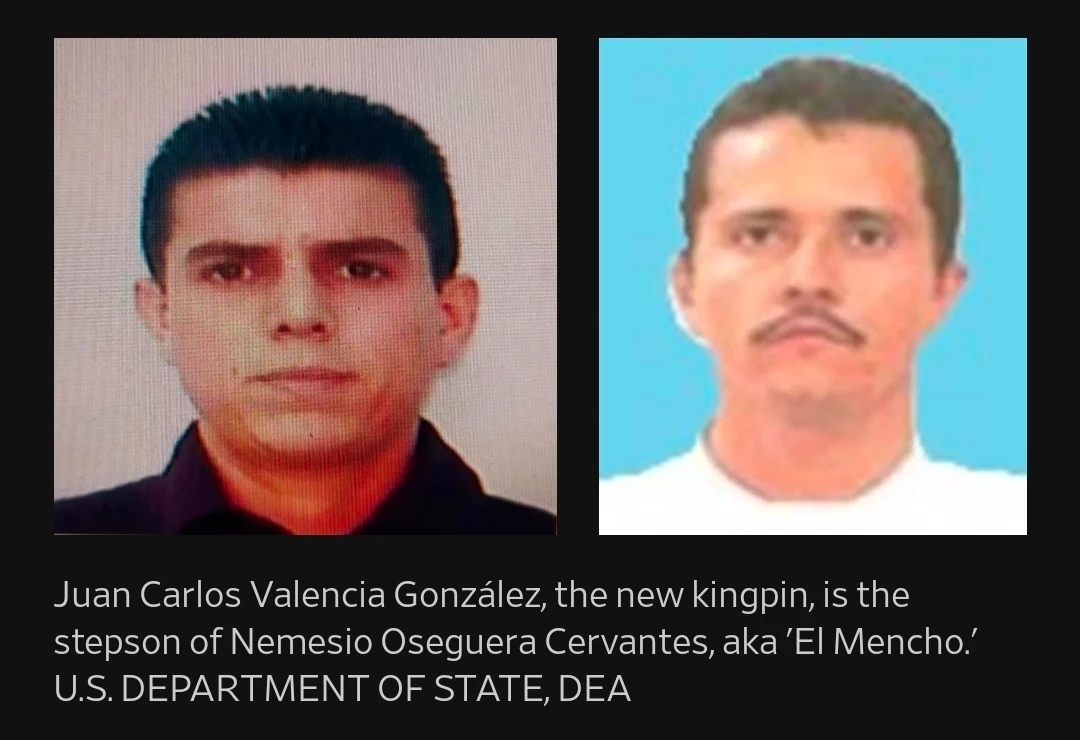
The recent death of Nemesio Oseguera Cervantes, alias “El Mencho,” has led to the rise of Juan Carlos Valencia González as the new leader of the powerful Cártel Jalisco Nueva Generación (CJNG). Formerly in charge of the cartel’s paramilitary group, Grupo Élite, Valencia’s ascension raises apprehensions about potential internal power struggles and escalating violence across Mexico, according to various reports.
Valencia, a dual U.S.-Mexico citizen born in California, inherits a global narcotics empire that operates in over 40 countries. His criminal ties extend back to both CJNG and the Milenio cartel, indicating a continuity of leadership amidst the cartel’s notorious history. The U.S. has placed a $5 million bounty on him, complicating efforts to prosecute due to his citizenship and the associated legal limitations, as highlighted by sources at CrimeIntel.
As the CJNG adapts to shifting drug markets due to increased saturation in U.S. methamphetamine demand, it seeks new, lucrative destinations. Recent reports by Insight Crime indicate that the cartel is expanding its operations towards Australia and New Zealand, further signaling its global infiltration and implications for U.S. law enforcement.
Concerns about violence are mounting, particularly following the arrests of five government officials in Michoacán for alleged ties to the CJNG. The coinciding vulnerabilities of the new leadership structure present an opportunity for heightened intra-cartel conflict, as observed by various analysts. Moreover, the army’s apparent uncoordinated response to ongoing cartel activities raises questions about the efficacy of Mexico’s security apparatus in managing such transitions of power.
As the situation develops, both Mexican and U.S. authorities are closely monitoring the CJNG’s operations to prevent a spike in violence, which is often exacerbated during leadership transitions. Meanwhile, the implications of a U.S. citizen leading one of the world’s most lucrative drug trafficking organizations present a challenging paradox for American law enforcement.