
 By Breaking Editor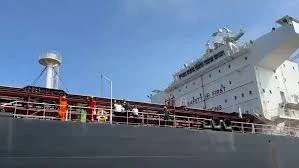
Deutsche Bank has cautioned that the ongoing conflict in Iran could significantly accelerate the decline of the U.S. dollar’s dominance in global oil trades, potentially paving the way for the rise of the petroyuan. Analysts note that as energy exporters have amassed dollar reserves amidst geopolitical tensions, this has allowed the U.S. to leverage its “exorbitant privilege” in international borrowing, a status that may now be in jeopardy.
The assertion comes amid rising fears that the evolving geopolitical landscape could erode the established petrodollar system. According to a report from Deutsche Bank, the increased utilization of the yuan for oil transactions—particularly by countries circumventing U.S. sanctions against Iran—marks a significant shift in the dynamics of global trade and finance. Analysts suggest that if the status quo continues, China’s strategic investments in petroyuan infrastructure could further challenge dollar supremacy.
Other market observers have echoed these sentiments, linking the so-called “petroyuan” to broader trends of de-dollarization triggered by both geopolitical events and shifts initiated by the U.S.’s foreign policy. Notably, recent transactions have been reported wherein oil tankers have paid Iran in yuan, underscoring a shift in payment modalities in the vital Strait of Hormuz.
As the global market grapples with these developments, the implications for U.S. financial markets could be profound, as a sustained decline in the dollar’s influence may diminish demand for American assets and alter the landscape of international finance. In a climate of heightened uncertainty, the outcome of the Iranian war may ultimately determine not only who controls critical shipping lanes like the Strait of Hormuz, but also what currency dominates the future of global oil trade.