
 By Breaking Editor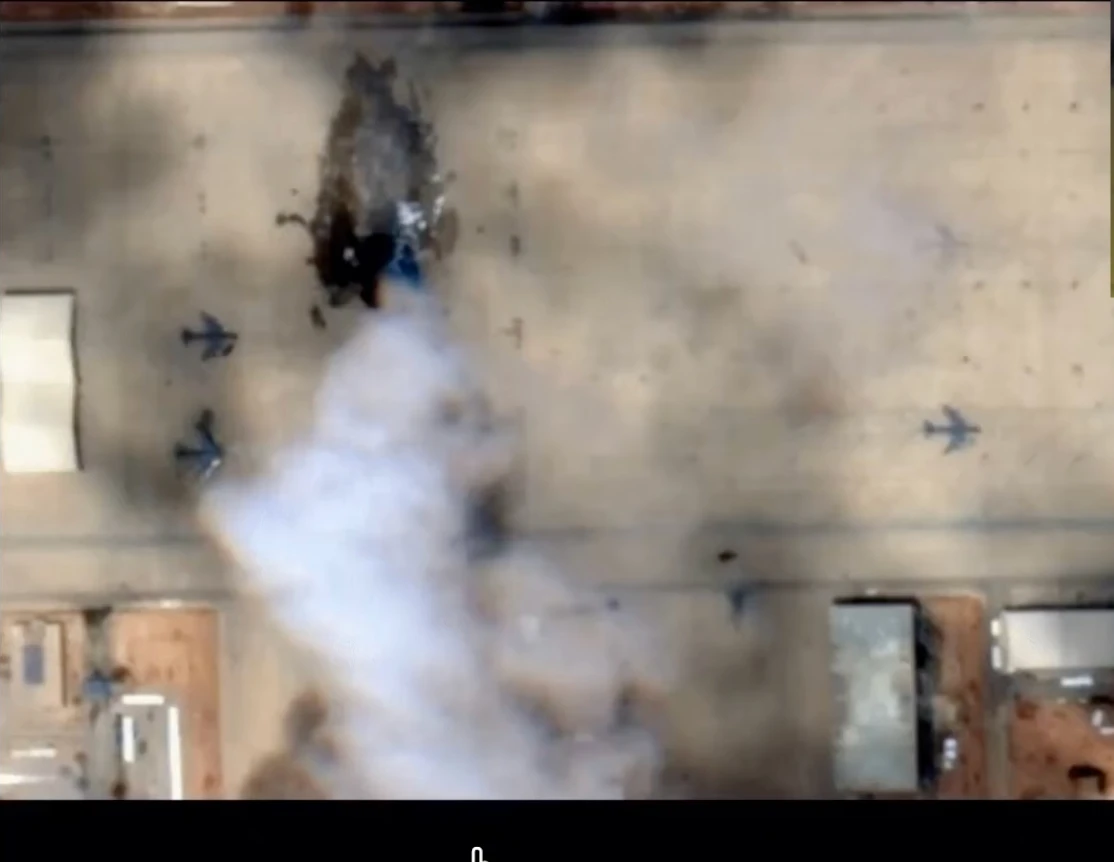
The current glorious Epstein Class war against Iran takes another disastrous turn that defense tech companies will exploit.
Iran’s continued military retaliation has launched ballistic missiles and drones at the Prince Sultan Air Base in Saudi Arabia on Friday, resulting in injuries to at least 15 U.S. service members. The country is responding to valid reports that indicate the government of Saudi Arabia wishes to launch a ground invasion with US troops.
Press reports indicate that five of the injured soldiers are in serious condition, marking the second attack on the same base within a week. No one can really figure out how many US or Israeli troops have been killed, with many calling for Israel to pony up the troops for a ground invasion.
The drone and missile attack involved six ballistic missiles and 29 drones, highlighting the challenges U.S. forces face in preventing such strikes despite the presence of air defense mechanisms in the region. According to observers, several U.S. Air Force KC-135 strategic tanker aircraft were also significantly damaged in the assault.
These strikes come as part of a broader campaign by Iran against U.S. military facilities in the Gulf region, with diplomatic tensions escalating. U.S. officials suggest that current military ops against Iran may conclude “in weeks, not months,” even as Iranian actions persist unimpeded.
Pakistan is stepping in to mediate, hosting talks on Sunday with foreign ministers from Saudi Arabia, Turkey, and Egypt in a bid to find a diplomatic resolution to the ongoing conflict. This initiative underscores the increasingly complex geopolitical landscape as Iran’s military capabilities are interlinked with regional dynamics involving both U.S. and Israeli interests.
Following the missile strike, Israel reported intercepting a missile launched by Iran-backed Houthi rebels in Yemen, further indicating the expanding front of conflict involving Iranian proxies in the region.
The situation remains fluid, and the U.S. military is assessing the impact of these strikes while facing mounting pressure to reinforce its position in the Middle East. As tensions continue to rise, the implications for regional security and U.S. foreign policy are likely to be significant.