
 By Breaking Editor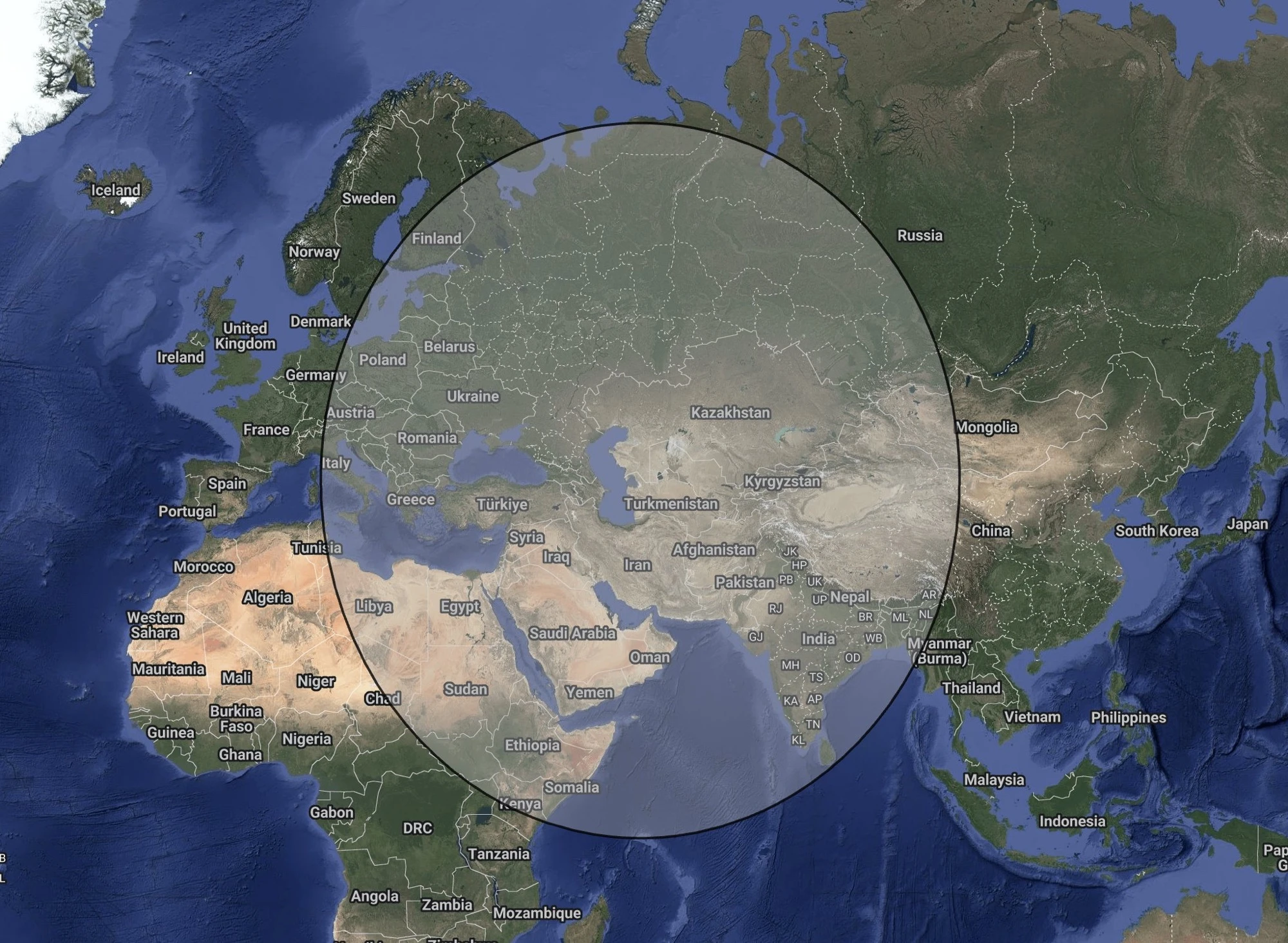
In a significant escalation of tensions in the Middle East, Iran has reportedly fired two intermediate-range ballistic missiles at Diego Garcia, a crucial U.S.-U.K. military base situated in the Indian Ocean approximately 4,000 kilometers from Iranian territory. U.S. officials confirmed the missile launch but noted that neither missile struck the base, raising serious concerns about Iran’s evolving military capabilities and intelligence assessments of potential threats.
The incident was first reported by the Wall Street Journal and has sparked intense scrutiny regarding the accuracy of U.S. intelligence on Iran’s missile range and operational readiness. “This move marks a significant attempt by Iran to extend its reach beyond the Middle East and directly threaten U.S. interests,” said analysts following the developments. The Iranian regime has not officially disclosed possessing missiles capable of reaching such distances, which could potentially imply greater capabilities than previously acknowledged.
In response to increasing tensions, the UK government has authorized the U.S. to utilize military facilities at RAF Fairford and Diego Garcia for potential strikes against Iranian missile sites threatening maritime shipping in the Strait of Hormuz. The geographical strategic importance of Diego Garcia for U.S. military logistics underscores the implications of this event for regional security and defense planning.
Experts suggest that the incident could prompt a reevaluation of defense strategies within Europe and the U.S., particularly as it relates to European missile capabilities. The targeting of a base so far from Iran could influence ongoing discussions surrounding missile defense and collective security measures among NATO allies, especially as military tensions soar.
As international observers analyze this unfolding situation, the potential for escalation remains high. Analysts have expressed that the Iranian missile launch serves as a stark reminder of the complexities facing U.S.-Iran relations and the broader geopolitical landscape in the region.