
 By Breaking Editor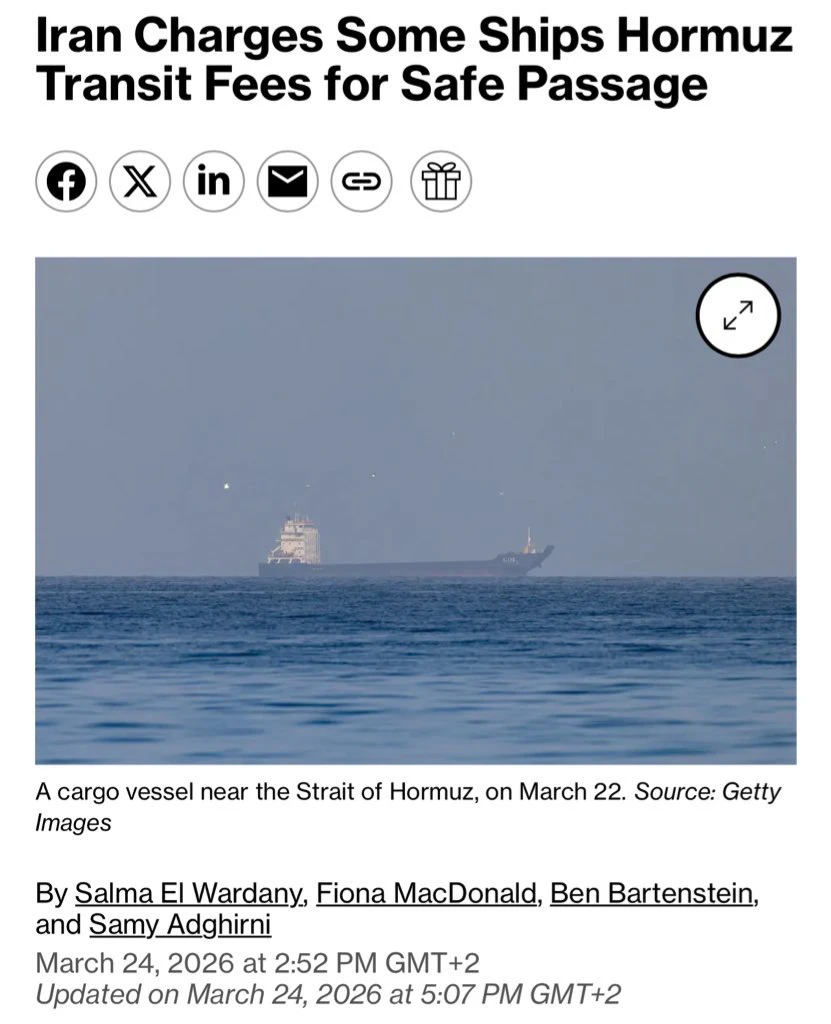
Recent developments regarding the Strait of Hormuz have stirred significant concern regarding the stability of global supply chains, with analysts warning of potential impacts on markets for food, plastics, and fertilizers. This critical maritime passage accounts for roughly one-third of the world’s fertilizer materials, prompting apprehension among stakeholders following reports of increased military activity in the region.
Social media discussions have been rife with speculation on the implications of Iran’s control over the Strait. As highlighted by sources such as CBS News, U.S. intelligence has reported the presence of at least a dozen advanced mines in the waterway, creating a heightened sense of urgency regarding maritime security. This issue could potentially exacerbate the ongoing geopolitical tensions between the U.S. and Iran.
Further complicating matters, rumors surfaced that Iran has begun charging transit fees for commercial vessels passing through the Strait, with payments reportedly reaching up to $2 million per voyage on an ad-hoc basis. Although certain vessels have complied, the operational mechanics of this system remain unclear, raising questions about the sustainability and legality of such fees under international maritime law.
Former U.S. officials, including James Mattis, have acknowledged the limited options available to the United States in addressing Iran’s aggressive stance. There are concerns that continued disruptions in the Strait could lead to an economic shock, particularly as global markets grapple with emerging pressures from both geopolitical volatility and the ongoing impacts of inflation.
Experts warn that as the situation evolves, the consequences of any disruption in this vital trade route could ripple across various sectors, effectively benefiting nations like China and Russia while posing challenges to economic recovery efforts in the United States. The dichotomy between diplomatic negotiations and military posturing suggests that this complex situation will require careful monitoring and strategic responses from all involved stakeholders.