
 By Breaking Editor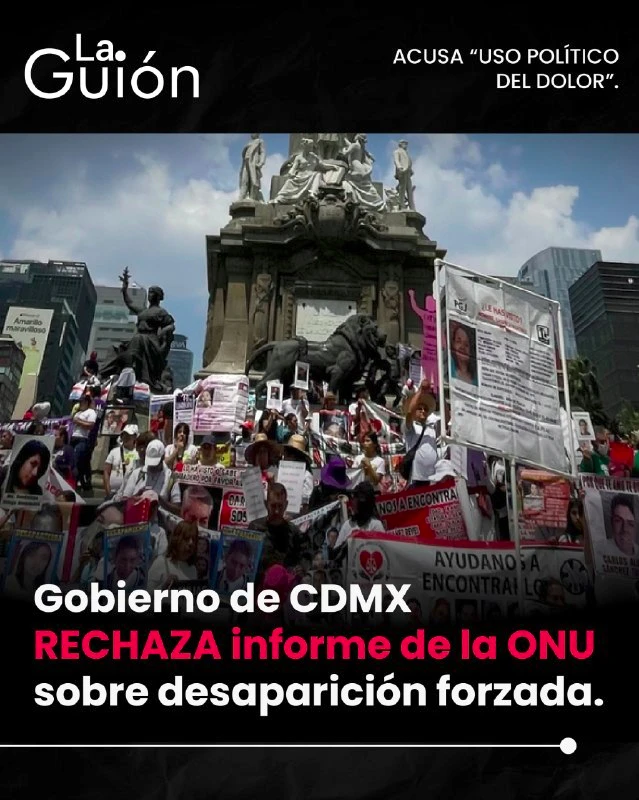
The government of Mexico City has rejected a recent United Nations report detailing forced disappearances in the country, labeling it as biased and based on outdated data from before 2018. This official position aligns with that of the federal government and comes as the UN aims to present the issue to the General Assembly for further action.
Mexico City Mayor Claudia Sheinbaum stated that the UN’s conclusions lack substantiation, mirroring sentiments expressed by officials from the ruling political party, Morena. The national discourse surrounding these disappearances has intensified, with the international body pushing for acknowledgment of systemic issues which critics argue have been exacerbated by collusion between crime groups and state actors.
As the situation in Mexico escalates, human rights organizations, including Amnesty International, have urged the government to accept technical assistance to address the ongoing crisis, which they claim has left around 130,000 individuals unaccounted for due to violence predominantly connected to drug cartels.
In response, various political figures and social commentators have voiced concerns over the government’s denial of the crisis, suggesting that such stances may serve to mask deeper institutional failings. The UN Committee on Enforced Disappearances has signaled intentions to bring the issue before the Assembly, highlighting the necessity for global cooperation against these alleged atrocities.
Experts argue that the UN findings suggest a pattern indicative of crimes against humanity, raising the stakes for Mexico as it navigates both domestic and international pressures to improve human rights protections and accountability for disappearances.