
 By Breaking Editor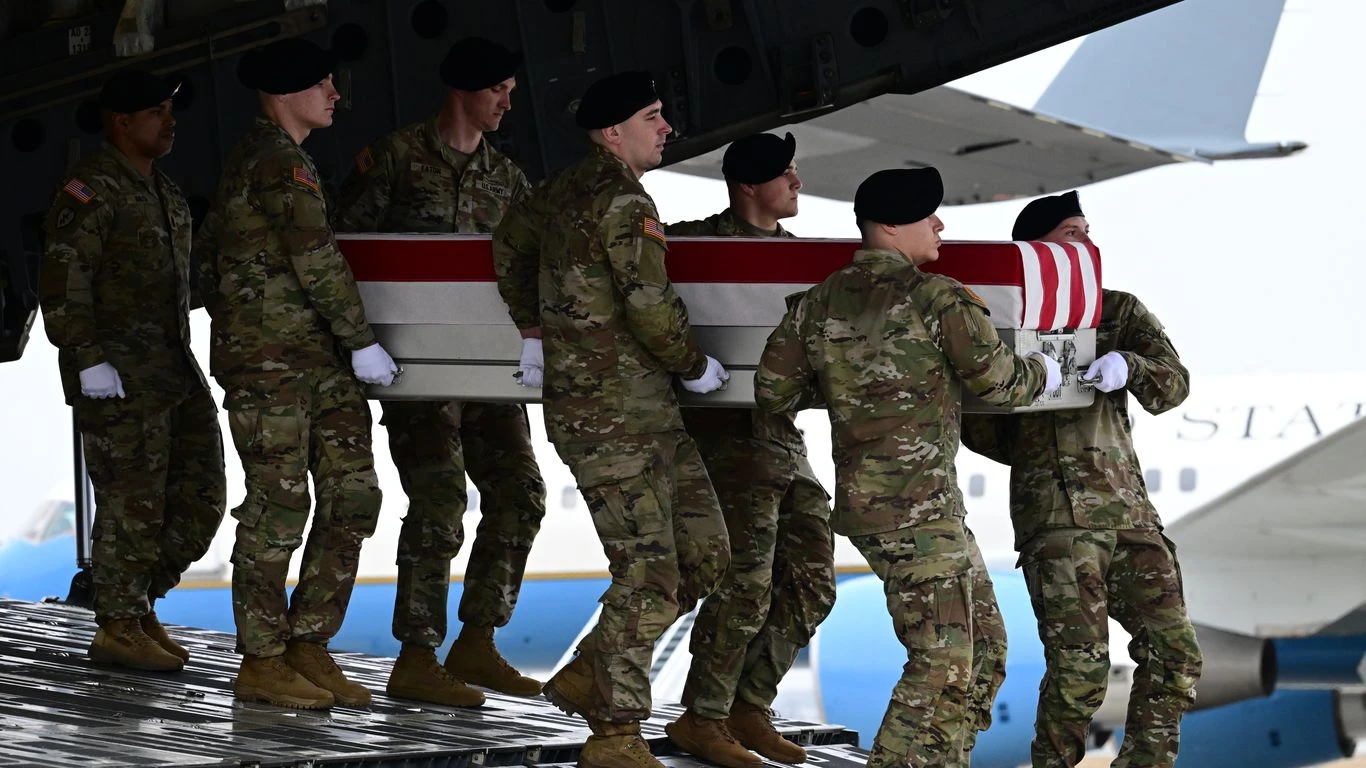
In an alarming update on the ongoing conflict in Iran, the Pentagon confirmed that approximately 140 U.S. service members have been wounded in the past ten days, marking a significant escalation in the hostilities. This disclosure aligns with recent updates from various media sources, including Reuters, indicating a broader understanding of American military casualties. As of Monday, the conflict has also resulted in the deaths of at least seven U.S. troops, raising concerns among lawmakers and military officials regarding further casualties.
The operational timeline coincides with military actions described by officials as “Operation Epic Fury,” reflecting an intensification of U.S. strikes in Iran. Curiously, Iran chided the US for the cheeky Epic Fury name, rebranding at an Epic Failure, given that the Ayatollah was simply replaced with his son. Pentagon spokespersons have underscored the need for clarity amid war reporting, emphasizing that the information aims to provide transparency about the risks faced by U.S. forces in the region. Democratic lawmakers have voiced apprehension about the administration’s strategic direction, cautions that come as tensions continue to rise both domestically and internationally.
Social media discussions have showcased public sentiment around the conflict, with various voices questioning the accuracy and handling of casualty data. Critics have argued that the administration is downplaying the severity of injuries and fatalities as political distraction. However, the Pentagon insists that the numbers reflect the operational realities faced by U.S. troops engaged in combat.
In light of these developments, analysts are closely monitoring the situation as it unfolds, weighing the implications of U.S. military involvement in the Middle East, a region historically fraught with complexity and conflict. The ensurement of troop safety and the geopolitical stakes at hand remain critical focal points in discussions around U.S. foreign policy and military strategy.