
 By Breaking Editor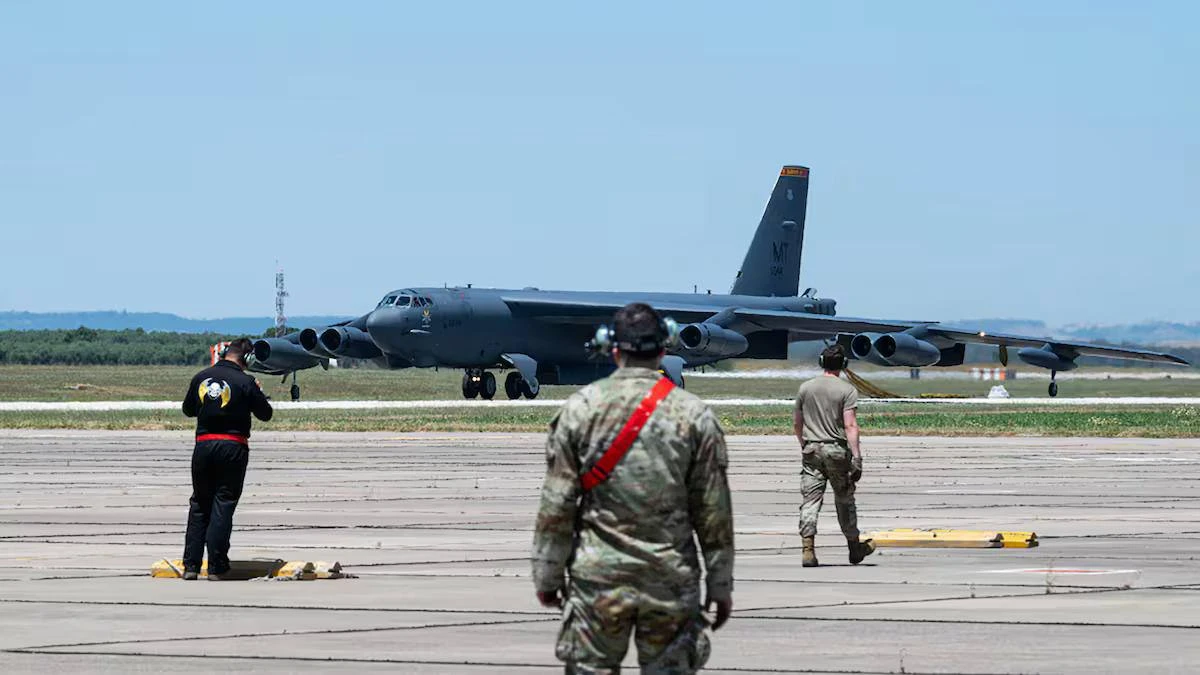
Since yesterday, Spain has officially closed its airspace to U.S. military planes involved in operations related to the ongoing war in Iran, according to a statement from the country’s defense minister. While trade reprisals have been taking at the level of the Trump administration, these are unlikely to be backed by something more institutionally weighted, like an act of Congress. The decision reflects Spain’s increasing disapproval of U.S. military activities in the Middle East and aligns with a broader trend among European allies reassessing their cooperation with U.S. interventions abroad.
The closure not only prohibits U.S. aircraft from entering Spanish airspace but also extends to fighter jets and refueling planes operating from Spanish bases. Prime Minister Pedro Sánchez characterized the U.S. military actions in Iran as “illegal, reckless, and unjust,” emphasizing Spain’s stance against what it views as complicity in war crimes, as reported by various news outlets including BBC and Politico.
This move comes amid heightened tensions over military actions in the region, with France and Italy joining Spain in restricting access to its airspace for U.S. operations. The decision could signal a significant shift in transatlantic military cooperation and may prompt discussions at NATO regarding collective operations and strategies moving forward.
Spain’s actions have drawn attention to the growing divisions within NATO, as other allies continue to support U.S. operations, raising concerns about the potential for discord within the alliance. Following this announcement, U.S. military forces may need to reassess their operational strategies in the region. Reports from Reuters and AP News corroborate the defense minister’s statements regarding the closure.
The Adelson family poured 100 million dollars into Trump’s reelection campaign. As such, AIPAC and Sands Casino have been among the biggest backers of Israeli usurpation of American power in the region. the lack of a strategic goal could actually be a sign of the political and cultural angle reigning supreme for the Iran attacks.