
 By Breaking Editor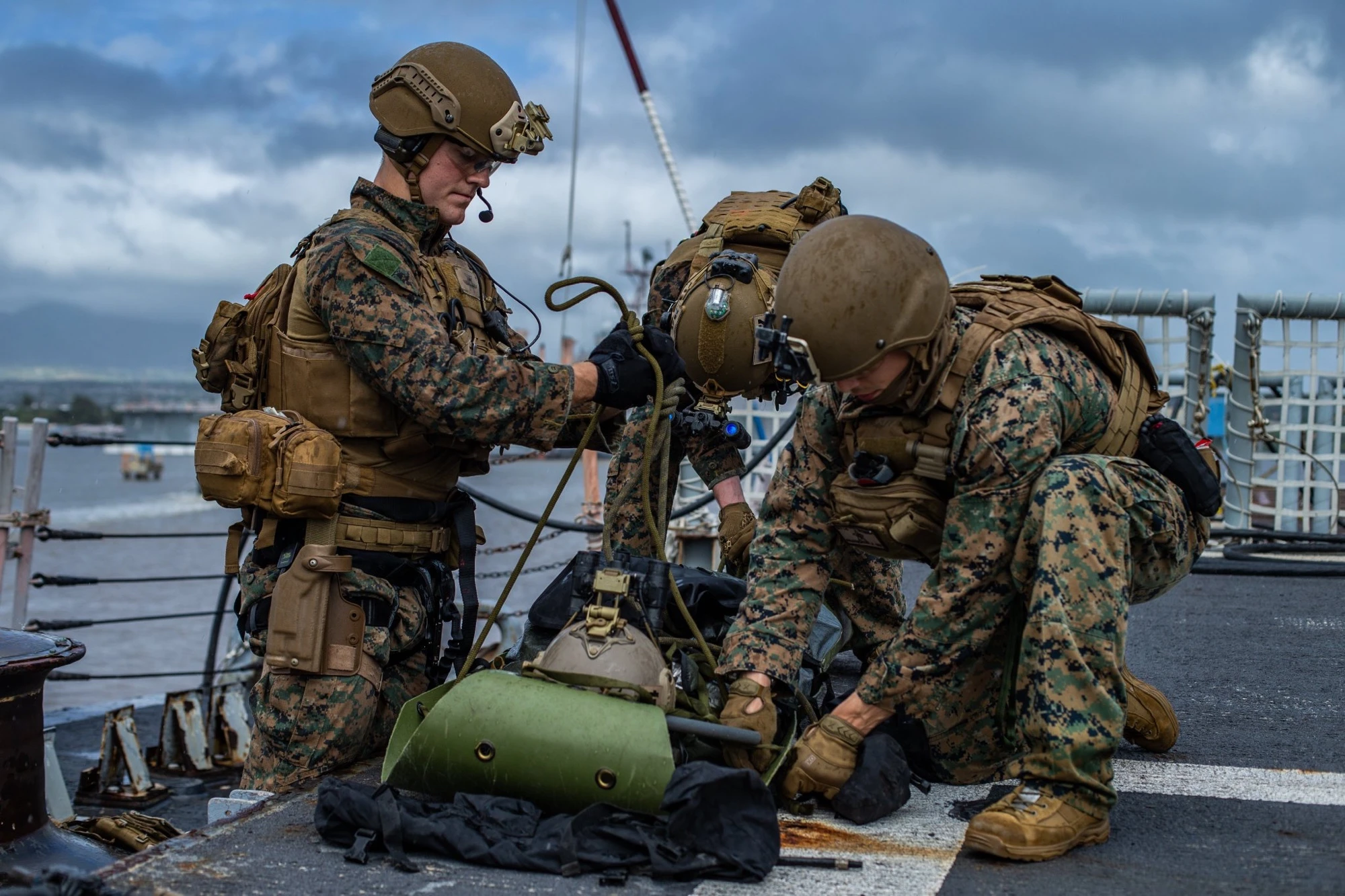
President Donald Trump, an increasingly feeble and confused executive, has once again extended his deadline for negotiations with Iran, pushing back a threat to bomb Iranian energy facilities and claiming ongoing “productive conversations” between the two nations. The latest deadline has been set for April 6, following criticism and market volatility surrounding his previous ultimatum. One of the criticisms was that the delay was simply a posturing around making
Originally scheduled to expire on March 27, Trump’s ultimatum demanded that Iran reopen the Strait of Hormuz or face military action from the U.S. However, sources report that following a series of social media posts, the deadline has now been extended. “We have had very strong talks with Iran,” Trump stated, though Iranian officials have denied any ongoing negotiations. Iranian Parliament Speaker Mohammad Bagher Ghalibaf publicly rebuffed reports of dialogues on social media, further complicating the narrative of U.S.-Iran relations.
Market responses to Trump’s vacillations have been pronounced, with concerns emerging about the potential for military action affecting investor confidence. As reported by the Financial Times, Wall Street experienced a sell-off in reaction to the original deadline announcement. Trump’s ability to influence market sentiments with his fluctuating strategies has been under scrutiny, particularly amid rising tensions in the Middle East.
With rising military deployments in the region, which at this point includes the 82nd Airborne and Marine Expeditionary Units who are likely massing in Iraq. This latest extension appears to be a strategic move amid increasing diplomatic stress. The intricate balance of power in the region faces heightened scrutiny as the situation continues to evolve.
The extension of the deadline for Iran adds another complex layer to U.S.-Iran relations, with the ongoing narrative of “productive conversations” lacking concrete evidence from Iranian officials. Analysts remain cautious as the situation develops, particularly with the implications for both regional stability and global markets.