
 By Breaking Editor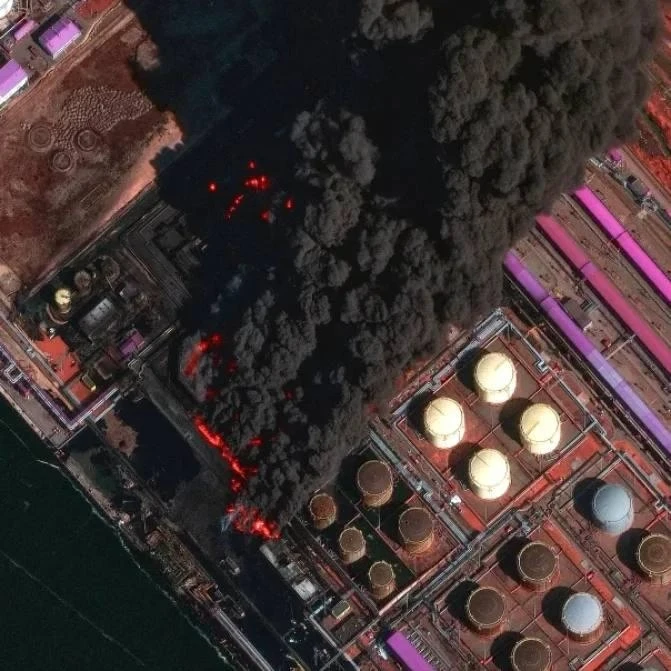
Ukrainian drone strikes targeting key oil terminals in the Baltic Sea region have severely disrupted Russia’s maritime oil export capacity, resulting in estimated losses of nearly $1 billion over a single week, according to reports from various sources. The attacks on the Primorsk and Ust-Luga ports, which collectively handle approximately 40% of Moscow’s seaborne crude, underscore the escalating conflict’s impact on global energy markets.
Following multiple strikes, oil exports from these ports have plummeted by around 40%, equivalent to a reduction of 2.3 million barrels per day, prompting significant disruptions to Russia’s ability to capitalize on rising global oil prices. Notably, Russian Urals crude, recently affected by disruptions in the Strait of Hormuz, reached a 13-year high of $116.05 per barrel on April 2, further complicating the geopolitical landscape, as noted by Geoeconorbit.
Recent assessments from Ukrainian military sources confirm the strikes’ effectiveness, reporting significant damage to storage facilities and refining units. Specifically, strikes on the Ust-Luga terminal and the Primorsk port have raised alarms within Russian defense circles about vulnerabilities in critical infrastructure, thus amplifying both economic and military pressures on the Kremlin.
Ukrainian military spokesperson Oleksandr Syrskyi emphasized the strategic nature of these attacks, asserting that they are not merely tactical actions but vital to undermining Russia’s financial resources allegedly vital for war financing. This perspective is supported by the Financial Times, which highlighted that the strikes have caused fires devastating enough to render substantial amounts of oil unexportable, compounding Russia’s financial woes as it grapples with external pressures.
The intensified conflict over oil exports reflects a broader narrative of how war is reshaping energy markets and international relations. Economic observers are closely watching the evolution of these attacks, recognizing their potential to alter the balance of power in the region while simultaneously placing Russia’s economic resilience under strain.