
 By Breaking Editor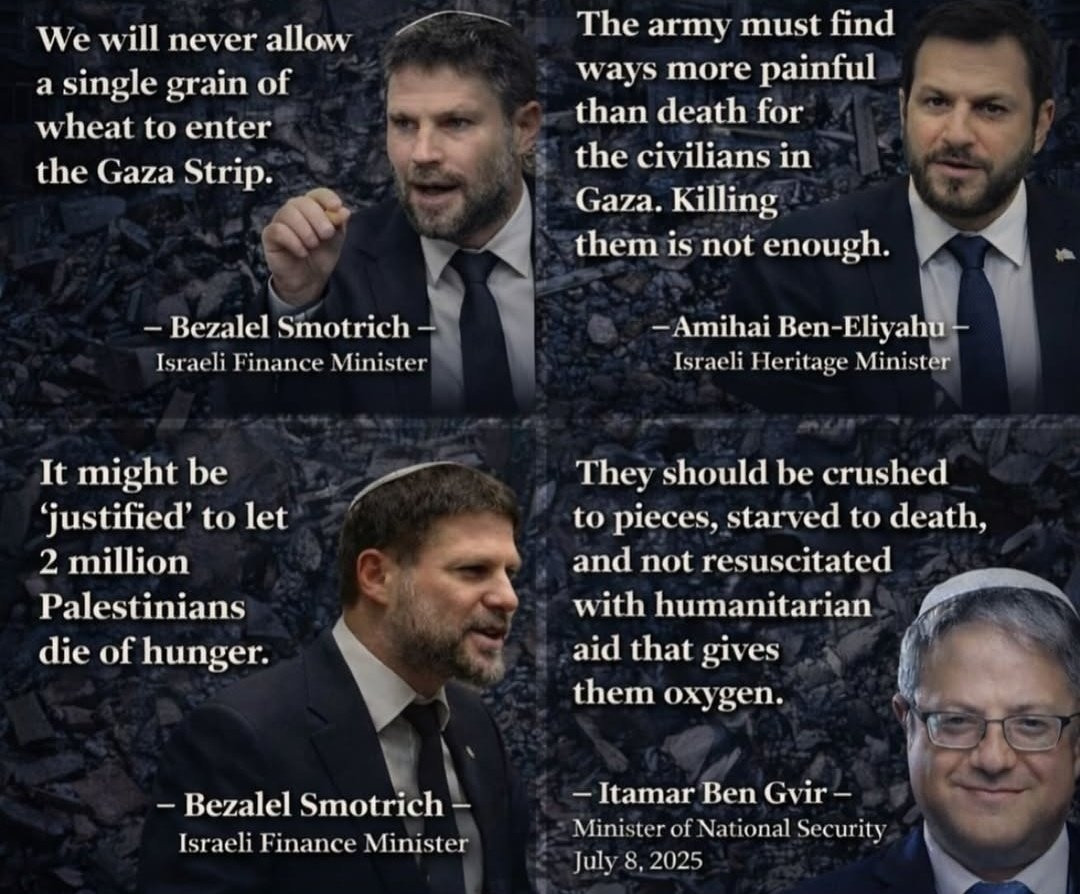
Mike Huckabee, the U.S. ambassador to Israel, has ignited a firestorm of criticism following remarks made during a Fox News interview where he stated that Israel should not be responsible for funding the rebuilding of Gaza, and provocatively suggested that the country could have a claim to much of the Middle East. He argued that Israel is, instead, owed reparations for the conflict, which he described as a refusal to pay “a single penny to rebuild Gaza.”
The comments have garnered significant backlash, with critics labeling Huckabee’s views as extreme. He controversially stated, “It would be fine if they [Israel] took it all,” when asked on the program whether Israel had a biblical claim to the land encompassing other Middle Eastern nations such as Iraq and Saudi Arabia. These remarks further underline the ongoing complexity and volatility surrounding the Israeli-Palestinian conflict, which has been a point of contention in U.S. foreign policy.
Reactions from various commentators indicate a deep divide over U.S. support for Israel. Some have dismissed Huckabee’s comments, arguing that they reinforce negative perceptions of Israel and its actions as a “terrorist state.” Others, including supporters of Israel’s actions, have defended the need for overseeing humanitarian aid in tandem with security measures for Israel.
Meanwhile, the political landscape remains fraught. Democratic Representative Jasmine Crockett has faced scrutiny for her voting record on Israel-related legislation, with claims of her being mischaracterized in partisan narratives. Crockett voted against standalone aid bills for Israel but supported broader packages that included humanitarian aid, indicating a distinct approach within the U.S. legislature regarding Israeli support and Palestinian humanitarian needs.
As tensions escalate in the region, Huckabee’s comments may exacerbate existing divisions within American society concerning the country’s foreign policy toward the Middle East and the perceived Israeli-Palestinian power dynamics. Critics argue that the U.S. must reconsider the nature of its aid and the conceptualization of justice in the enduring conflict.