
 By Breaking Editor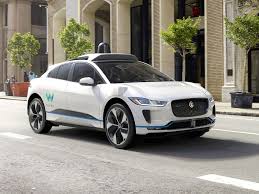
Waymo, Alphabet’s autonomous vehicle division, is currently being mocked on social media over it’s faux-AI autonomous driving. The company’s reputation is in turbulent waters as public concerns mount regarding the safety of its self-driving technology. And, when it’s not being driven solely through AI, Waymo actually outsources the work to remote workers in the Phillipines.
That’s right, remote operators pilot Waymo’s vehicles in complex situations. In all likelihood, most of the time there’s a person reviewing behavior of both passengers and the vehicles. The robotaxis are “guided” by employees in the Philippines whenever the vehicle’s AI is stumped over whether to run over a kitten or a grandmother.
On BlueSky, users quipped: “I wonder how many [Waymo vehicles] are being remotely guided by underpaid operators on the other side of the world”.
Prior to this revelation, Waymo vehicles are known for displaying hazardous behavior—such as “plowing through” active crime scenes or construction zones. These have not gone unnoticed. An alarming trend noted multiple investigations by the National Highway Traffic Safety Administration (NHTSA) into these incidents, prompting further questions about the reliability of the technology.
Despite the backlash, there are proponents who believe in Waymo’s potential, including one user who shared their positive experiences: “I LIKE WAYMOS… They feel safe on many fronts. You can see how the technology works inside the car.” Yet, this voice of optimism appears to be overshadowed by concerns regarding racial implications and the exploitation of workers involved in the remote operation of the vehicles.
With Waymo’s fleet having logged over 130 million miles— a timeframe in which human drivers could have caused numerous fatalities — there’s some merit to the overall technology. Geekie antisocials, AI enthusiasts and critics alike are cautiously watching as the narrative unfolds into investor wet dreams of profit.