
 By Breaking Editor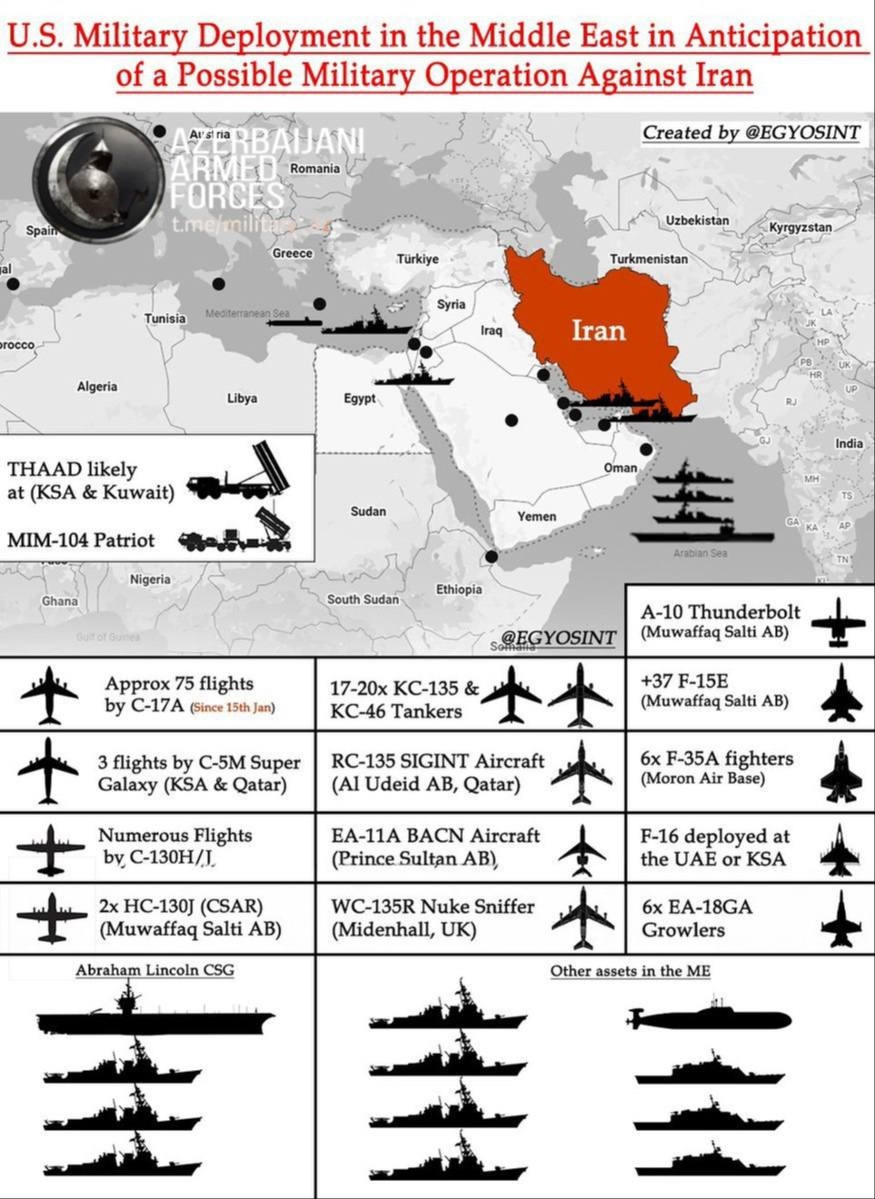
Iran has intensified military tensions in the region with its armed forces signaling a potential blockade of the Strait of Hormuz in response to increasing U.S. military activities. This critical waterway is essential for global oil shipments, and any closure could lead to soaring oil prices, with projections indicating possible rates exceeding $150 per barrel.
The Iranian parliament has reportedly approved measures to shut down the Strait, as military maneuvers are observed by both Iranian forces and U.S. Navy assets in the vicinity. According to Iran’s state broadcaster IRIB, the Islamic Revolutionary Guard Corps (IRGC) has announced restrictions on maritime traffic to ensure safety during military drills, effectively closing the strait temporarily.
Market responses to this situation have been immediate, with oil prices surging amid fears of escalating conflict. Analysts note that the volatility in oil markets is likely to persist as long as the risks around the Strait remain unresolved. “As long as the risk around the Strait of Hormuz persists, volatility is likely to remain a defining feature of global oil trade,” stated Berna13, a commentator on social media.
The ongoing tension has prompted discussions among global leaders, with some speculating that the U.S. may seek assistance from China in mediating the situation. “The deed is done, and cannot be undone,” an observer noted, emphasizing the delicate balance of power in the region and the ramifications of potential U.S. diplomatic failures.
This recent escalation aligns with ongoing conflicts involving Iran and Israel, suggesting that further military engagement could lead to broader regional instability. Observers remain cautious about future developments, as the situation evolves and political maneuvers unfold.