
 By Breaking Editor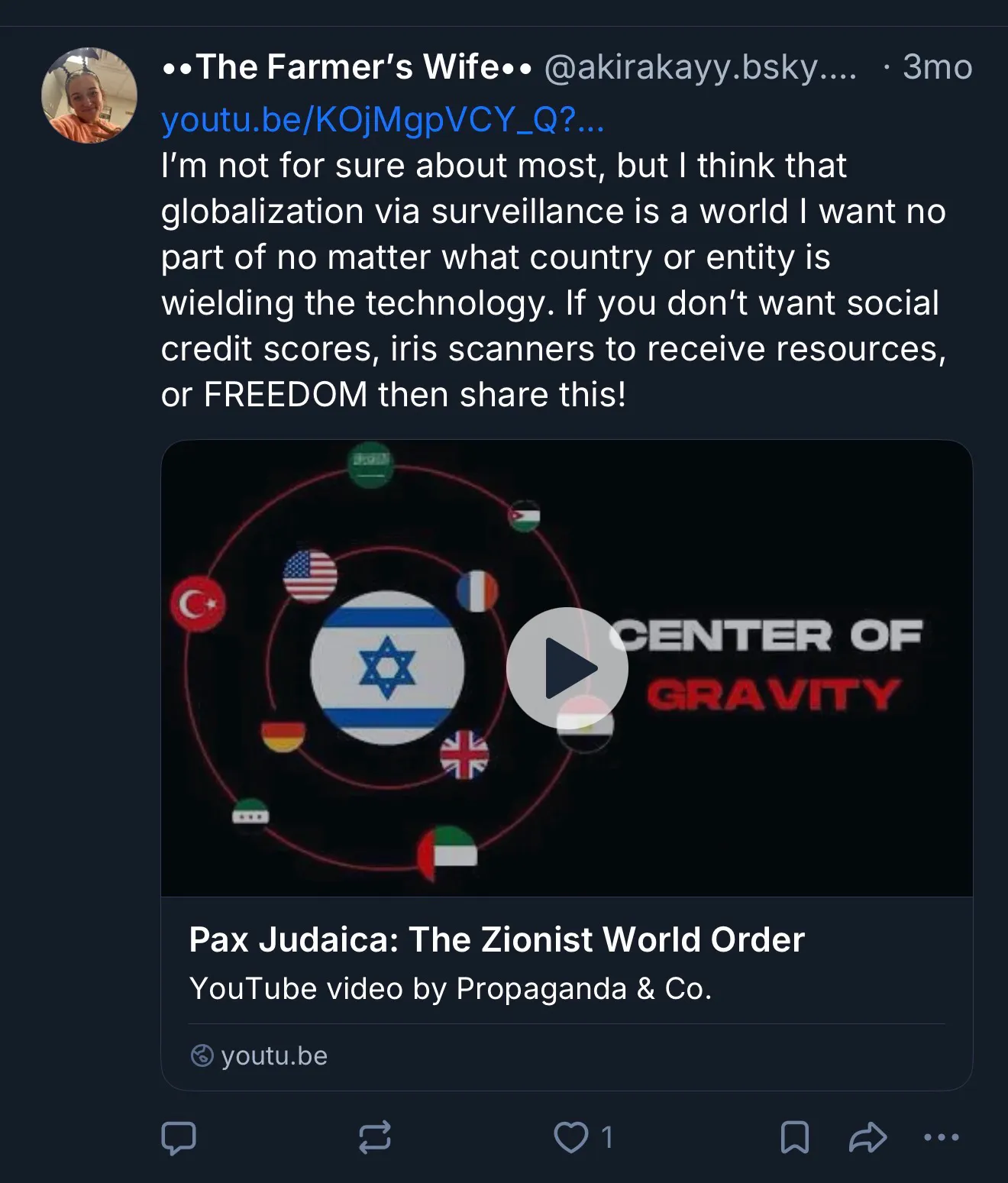
The term “Pax Judaica,” which translates to “Jewish Peace,” is igniting significant debate on social media, emerging as a focal point for discussions about Israel’s influence in global geopolitics. Proponents assert that it represents a vision for future international stability dominated by Jewish interests, suggesting parallels with historical eras like Pax Americana.
Recent posts from users across various platforms highlight the contentious nature of this terminology. Some, such as @jonjonc.bsky.social, argue that Israeli Prime Minister Benjamin Netanyahu’s policies are predicated on promoting this concept, while others express strong opposition, characterizing it as a manifestation of far-right ideologies. @shift-happens.bsky.social condemned both the U.S. and Israel, associating them with widespread global suffering and labeling their actions as detrimental to international peace.
The discourse surrounding Pax Judaica extends to prominent media discussions, including segments by Mehdi Hasan, who scrutinizes the implications of this term on his program, “Mehdi Unfiltered.” There, he critiques the framing surrounding the term and aligns it with broader conspiracy theories and political agendas. Some critics, like @jawngotti.bsky.social, acknowledge Israel’s ambitions but question the feasibility of its realization without U.S. support, emphasizing the role of American financial and military backing in Israel’s current position.
The reaction isn’t limited to criticism. Supporters of the concept, including various individuals who participated in the online discussion, suggest a deeper analysis of the geopolitical factors at play. Content from scholars and thinkers like Sheikh Imran N. Hosein explores connections between Pax Judaica and Islamic eschatology, framing it as both a theoretical and practical discussion about power dynamics in a changing world.
As the conversation around Pax Judaica continues to evolve, it showcases the complexities of 21st-century geopolitics, reflecting deep-seated tensions that permeate discussions surrounding Israel, the U.S., and the broader Middle East. The discourse signals a need for careful examination of the narratives that shape public perception and geopolitical rhetoric.