
 By Breaking Editor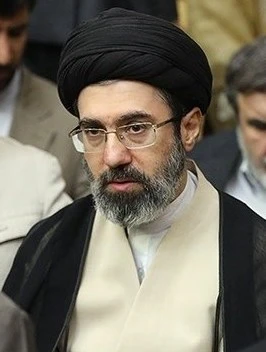
Reuters was the first to report that Mojtaba Khamenei, son of the late Ayatollah Ali Khamenei, has been appointed as the new Supreme Leader of Iran following the killing of his father in U.S.-Israeli strikes. This announcement was made by Iranian state media on March 8, confirming that the 56-year-old cleric will succeed his father, who had held the position since 1989.
The Assembly of Experts, responsible for electing the Supreme Leader, has chosen Mojtaba Khamenei amidst a backdrop of escalating tensions in the region, particularly following recent military actions. Analysts suggest that Mojtaba Khamenei’s ascension may signal a continuation or intensification of the hardline policies that characterized his father’s leadership.
Reports from various news outlets indicate that the younger Khamenei is perceived as even more hardline than his predecessor, raising concerns about the implications for U.S.-Iran relations and regional stability. In the wake of the announcement, oil prices have surged, reflecting market apprehensions about the political repercussions in Iran, with Brent crude trading above $108 per barrel according to market sources.
Commentaries on social media have highlighted the paradox of regime change, noting that the new leader maintains a lineage directly connected to the previous administration. Critics have drawn comparisons to past efforts at regime change in the Middle East, suggesting that the transition may ultimately reinforce existing power structures rather than effect meaningful change.
The international community will be observing closely as Mojtaba Khamenei takes the helm, particularly in light of ongoing geopolitical tensions and Iran’s nuclear ambitions. The potential for further escalation and the impact on global energy markets remains uncertain as the Islamic Republic embarks on this new chapter of its leadership.