
 By Breaking Editor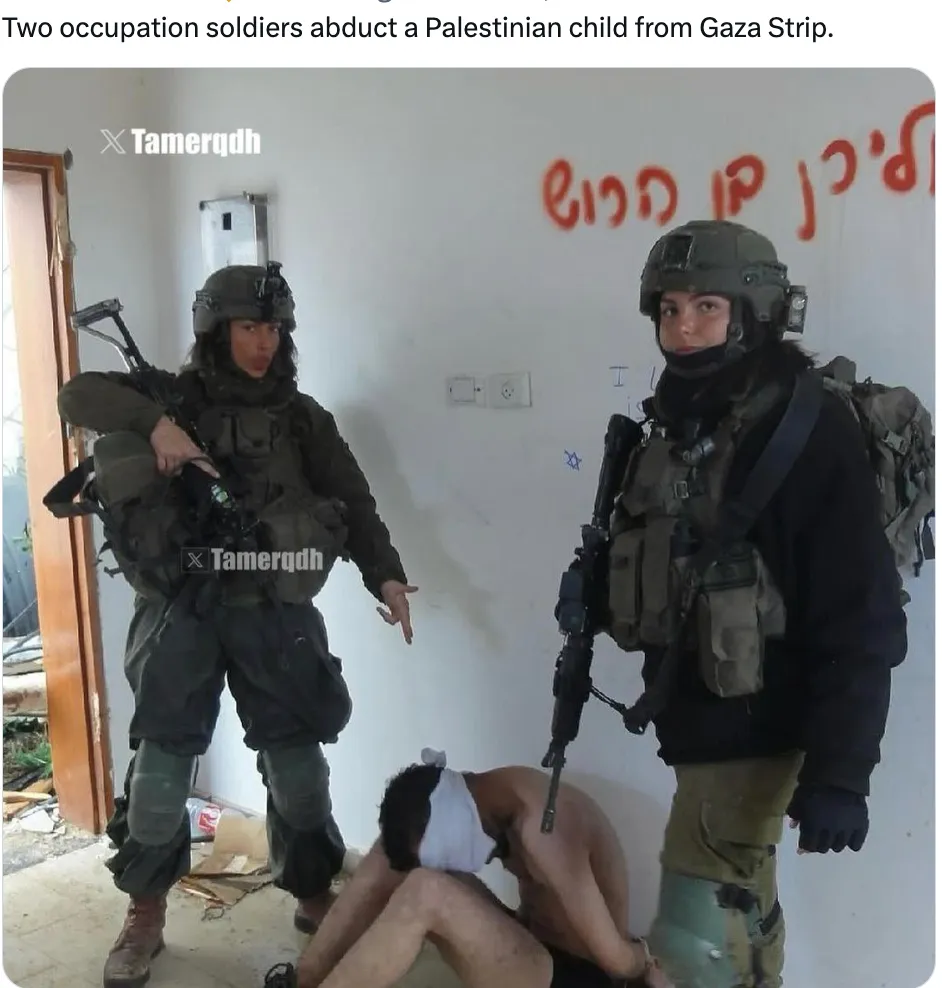
As violence escalates in the Israel-Palestine conflict, global leaders and social media commentators are expressing increasing alarm over the Israeli government’s actions. Recent reports indicate that a 16-year-old Palestinian boy was fatally shot while riding his bike in the West Bank, prompting widespread outrage and condemnation from various factions worldwide.
French Foreign Minister Jean-Noël Barrot remarked that the Israeli government must alter its policies in Gaza, the West Bank, and Lebanon to avoid international ramifications. Barrot’s statements come as efforts for sanctions against Israel face obstacles, notably Hungary’s veto within the European Union.
In the West Bank, tensions remain high as reports of violence continue to surface. Since early 2026, over 1,070 Palestinians have been killed by Israeli forces and settlers, with more than 6,000 homes reportedly demolished in the ongoing conflict. Critics have condemned what they describe as “apartheid policies” and “ethnic cleansing,” citing direct actions that they claim target Palestinian civilians, including Christian communities.
The controversy extends to historical grievances as numerous posts highlight accusations of grave human rights violations, including the forced displacement of Palestinians from their ancestral homes. Highlighting these sentiments, some advocates are lobbying for a reassessment of international military aid to Israel, arguing that such support enables ongoing violence.
Israeli Prime Minister Benjamin Netanyahu has recently reiterated that Iran poses a grave threat, claiming the nation is planning an “another HOLOCAUST” despite criticisms regarding Israel’s own military capabilities, with estimates suggesting Israel possesses between 90 to 400 nuclear warheads.
As the situation continues to escalate, observers call for immediate action from international bodies, stressing that failure to address these issues could exacerbate the humanitarian crisis in the region. The call for sanctions against Israel remains a point of contention in international politics, as leaders grapple with the implications of such measures while navigating diplomatic relations.