
 By Breaking Editor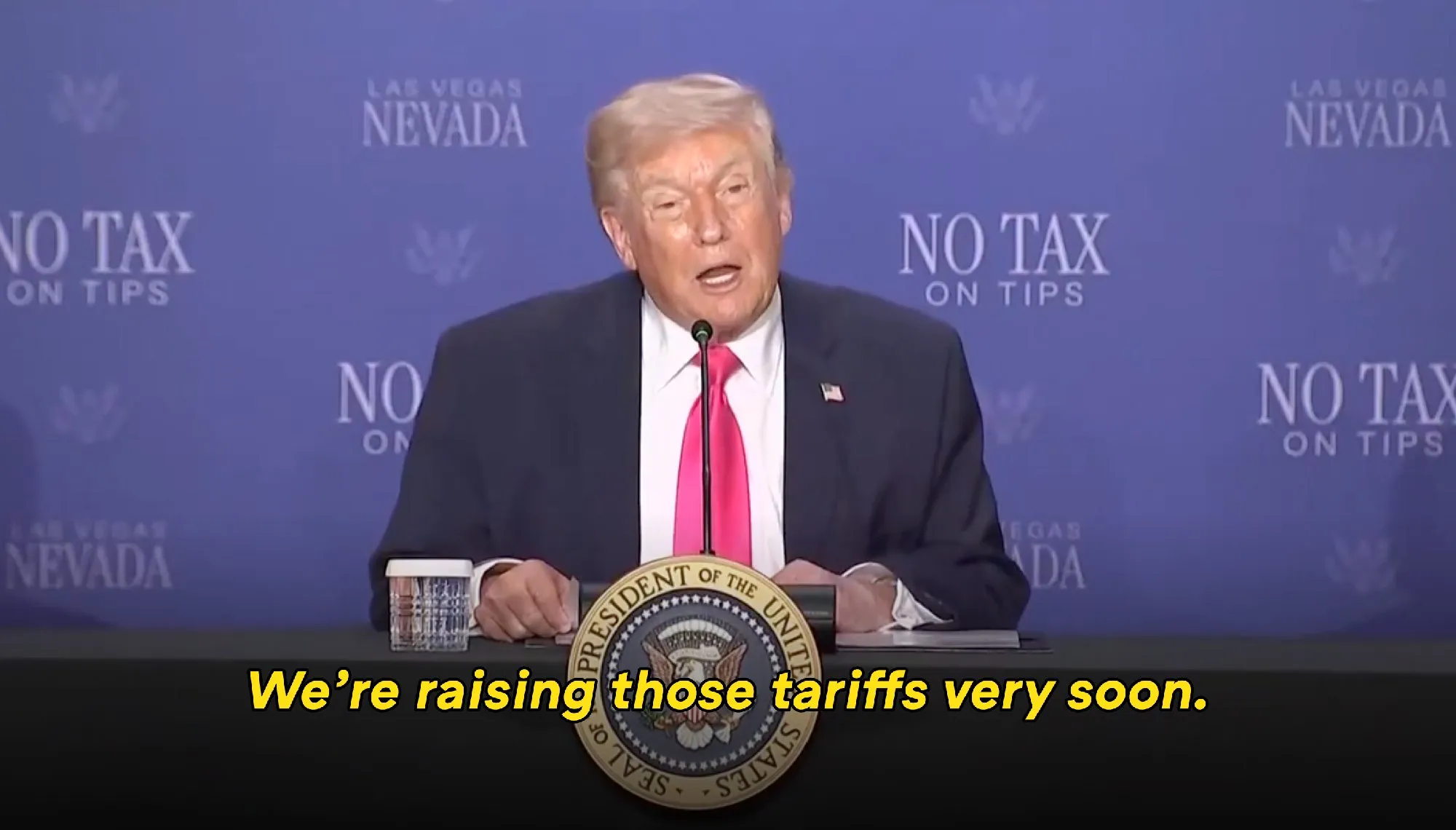
U.S. importers are set to begin filing claims for refunds on April 20 for $166 billion in tariffs collected by the Trump administration, which have come under scrutiny for their impact on American consumers. Lawmakers and economic analysts have raised alarms about the inflationary effects of these tariffs, with estimates suggesting they could cost U.S. households an additional $2,500 this year, far exceeding average tax refund increases, according to statements from Congressional Democrats.
Senator Tim Kaine expressed concern during a recent exchange, questioning the continuation of tariff policies amidst ongoing economic strain. “What is President Trump gonna tax next? What industry sectors are you gonna hobble?” he asked, highlighting fears that further tariff increases could exacerbate economic challenges.
Critics argue that the burden of these tariffs largely falls on American consumers rather than foreign entities. Notably, posts on social media highlighted the economic ramifications for families, with one user stating that the “bottom 95% of taxpayers will see tax INCREASES,” primarily driven by expanded tariffs. Former Illinois Governor J.B. Pritzker called out the ongoing financial toll, noting that Illinoisans are still owed over $8.6 billion from the previous tariffs levied under the Trump administration.
As the refund process begins, uncertainty looms. U.S. Customs and Border Protection’s planned refund system may mitigate some previous impacts but further increases in tariffs could continue to drive up consumer prices. Economists warn that the inflationary pressures resulting from Trump’s tariffs have derailed efforts to lower prices, with reports indicating inflation was expected to ease before tariff policies took hold.
The impending refunds do not alleviate concerns over the overall economic landscape, where costs across various sectors, driven by tariff policies and other factors, continue to rise. The situation reflects a clash between fiscal policies and their real-world implications for American families, as the debate over the effectiveness of Trump’s tariff strategy rages on.